
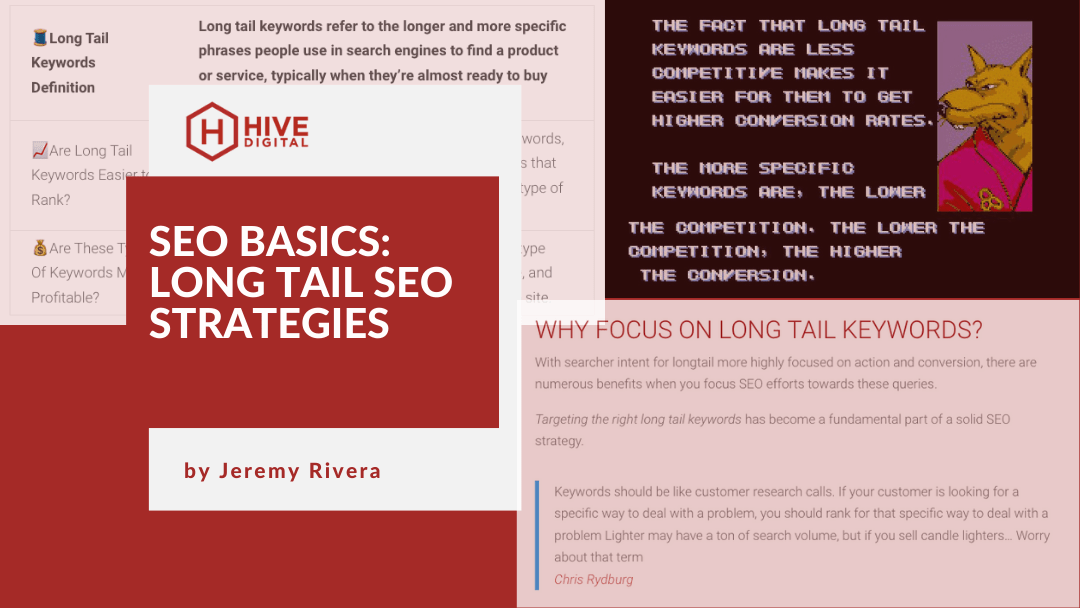
The Power of Long Tail SEO Strategy
In the world of search engine optimisation (SEO), long tail keywords have emerged as a powerful strategy for driving targeted traffic to websites. Long tail keywords are longer and more specific keyword phrases that visitors are more likely to use when they are closer to a point-of-purchase.
Unlike short, generic keywords, long tail keywords may have lower search volumes, but they often have higher conversion rates. This is because they cater to users who know exactly what they are looking for and are more likely to make a purchase or take a specific action.
By targeting long tail keywords in your SEO strategy, you can attract highly relevant traffic to your website. This targeted approach not only helps improve your search engine rankings but also increases the likelihood of converting visitors into customers.
Long tail SEO strategy is particularly beneficial for niche businesses or those operating in competitive industries. By focusing on specific, long tail keywords related to your products or services, you can stand out from the competition and reach potential customers who are actively seeking what you offer.
Furthermore, long tail SEO strategy can help improve the overall user experience on your website. By providing content that is tailored to the needs and interests of your target audience, you can enhance engagement, increase dwell time, and reduce bounce rates.
In conclusion, incorporating long tail keywords into your SEO strategy can be a game-changer for your online presence. By understanding the power of long tail SEO and implementing it effectively, you can drive quality traffic, boost conversions, and ultimately grow your business in the digital landscape.
9 Essential Tips for Mastering Long-Tail SEO Strategy
- Focus on specific long-tail keywords that are relevant to your niche.
- Create high-quality content that addresses the specific needs and questions of your target audience.
- Optimize your content for long-tail keywords by including them naturally in titles, headings, and throughout the text.
- Use long-tail keywords in meta tags and descriptions to improve visibility in search engine results.
- Regularly update and refresh your content to keep it relevant and engaging for users.
- Build internal links within your website to guide users to related long-tail keyword-focused content.
- Utilize tools like Google Keyword Planner or SEMrush to research and identify profitable long-tail keywords.
- Monitor the performance of your long-tail SEO strategy using analytics tools like Google Analytics or Moz.
- Stay updated with SEO trends and algorithm changes to adapt your long-tail strategy accordingly.
Focus on specific long-tail keywords that are relevant to your niche.
To enhance your SEO strategy, it is crucial to focus on specific long-tail keywords that are directly relevant to your niche. By honing in on these targeted keyword phrases, you can attract highly qualified traffic to your website from users who are actively seeking the products or services you offer. This approach not only boosts your search engine rankings but also increases the likelihood of converting visitors into loyal customers. Embracing specific long-tail keywords tailored to your niche can set you apart from competitors and establish a strong online presence within your industry.
Create high-quality content that addresses the specific needs and questions of your target audience.
To maximise the effectiveness of your long tail SEO strategy, it is essential to create high-quality content that directly addresses the specific needs and questions of your target audience. By focusing on producing valuable and relevant content tailored to the long tail keywords you are targeting, you not only improve your search engine rankings but also enhance user engagement and satisfaction. Understanding and addressing the specific requirements of your audience through quality content is key to attracting organic traffic, establishing credibility, and ultimately driving conversions for your business.
Optimize your content for long-tail keywords by including them naturally in titles, headings, and throughout the text.
To maximise the effectiveness of your long tail SEO strategy, it is essential to optimise your content by seamlessly integrating long-tail keywords into titles, headings, and throughout the text. By incorporating these specific keyword phrases naturally and strategically, you can enhance the relevance and visibility of your content to search engines, making it easier for potential visitors to discover and engage with your website. This approach not only improves your search engine rankings but also ensures that your content resonates with the needs and intentions of your target audience, ultimately driving higher quality traffic and increasing the likelihood of conversions.
Use long-tail keywords in meta tags and descriptions to improve visibility in search engine results.
By utilising long-tail keywords in meta tags and descriptions, you can significantly enhance your visibility in search engine results. Incorporating these specific keyword phrases into your meta data allows search engines to better understand the relevance of your content to users’ queries. This targeted approach not only improves the chances of your website appearing in relevant search results but also increases the likelihood of attracting highly interested visitors who are more likely to engage with your content or make a conversion.
Regularly update and refresh your content to keep it relevant and engaging for users.
To maximise the effectiveness of your long tail SEO strategy, it is essential to regularly update and refresh your content. By keeping your content relevant and engaging for users, you not only improve your search engine rankings but also enhance the overall user experience on your website. Updating your content with fresh information, insights, and resources can help you stay ahead of the competition and attract more targeted traffic. Remember, in the dynamic world of SEO, consistency and quality content are key to success.
Build internal links within your website to guide users to related long-tail keyword-focused content.
To enhance the effectiveness of your long tail SEO strategy, it is crucial to build internal links within your website that direct users to relevant long-tail keyword-focused content. By strategically linking related pages, you not only improve the user experience by guiding visitors to valuable information but also signal to search engines the relevance and depth of your content. This internal linking approach can help boost the visibility of your long tail keywords, increase organic traffic, and ultimately drive better engagement and conversions on your website.
Utilize tools like Google Keyword Planner or SEMrush to research and identify profitable long-tail keywords.
To maximise the effectiveness of your long tail SEO strategy, it is essential to leverage powerful tools such as Google Keyword Planner or SEMrush for comprehensive keyword research. These tools provide valuable insights into search trends and help identify profitable long-tail keywords that align with your business objectives. By utilising these tools, you can uncover untapped opportunities, refine your keyword targeting, and enhance the overall performance of your SEO efforts.
Monitor the performance of your long-tail SEO strategy using analytics tools like Google Analytics or Moz.
To maximise the effectiveness of your long tail SEO strategy, it is crucial to monitor its performance using analytics tools such as Google Analytics or Moz. These tools provide valuable insights into the traffic, engagement, and conversion rates generated by your long tail keywords. By regularly analysing the data and metrics provided by these tools, you can identify what is working well and make informed decisions to further optimise your strategy for better results. Monitoring your long tail SEO performance allows you to adapt and refine your approach, ensuring that you are continuously improving your online visibility and driving targeted traffic to your website.
Stay updated with SEO trends and algorithm changes to adapt your long-tail strategy accordingly.
To maximise the effectiveness of your long tail SEO strategy, it is crucial to stay informed about the latest SEO trends and algorithm changes. By keeping abreast of industry developments, you can adapt your approach to long tail keywords and ensure that your website remains optimised for search engines. Being proactive in monitoring SEO updates allows you to make timely adjustments to your long tail strategy, helping you stay ahead of the curve and maintain a competitive edge in the ever-evolving digital landscape.
Leave a Reply