
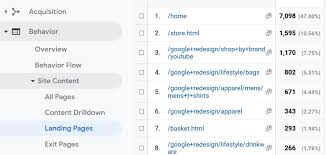
The Importance of Website Traffic Analysis
Website traffic analysis is a crucial aspect of understanding how users interact with your website. By analysing the data, you can gain valuable insights into visitor behaviour, preferences, and trends. This information is essential for making informed decisions to improve your website’s performance and user experience.
Key Metrics to Consider
When conducting website traffic analysis, there are several key metrics to consider:
- Unique Visitors: The number of individual users who visit your site within a specified time period.
- Page Views: The total number of pages viewed by visitors on your site.
- Bounce Rate: The percentage of visitors who leave your site after viewing only one page.
- Average Session Duration: The average amount of time visitors spend on your site.
- Conversion Rate: The percentage of visitors who take a desired action on your site, such as making a purchase or signing up for a newsletter.
Tools for Website Traffic Analysis
There are various tools available to help you analyse website traffic effectively. Popular tools include Google Analytics, which provides detailed insights into user behaviour, traffic sources, and more. Other tools like SEMrush and Moz also offer comprehensive analytics features to track and measure website performance.
Benefits of Website Traffic Analysis
By regularly analysing website traffic data, you can:
- Identify popular pages and content that resonate with your audience.
- Determine the effectiveness of marketing campaigns and strategies.
- Spot trends and patterns in user behaviour to make data-driven decisions.
- Optimise conversion paths and improve overall user experience.
In Conclusion
Website traffic analysis is an invaluable tool for understanding how users engage with your site. By leveraging the insights gained from analysis, you can enhance your online presence, attract more visitors, and ultimately achieve your business goals. Make data-driven decisions based on website traffic analysis to drive success in the digital landscape.
6 Essential Tips for Effective Website Traffic Analysis
- Utilize tools like Google Analytics to track website traffic.
- Monitor the sources of your website traffic, such as organic search, social media, and referrals.
- Analyse the behaviour of your website visitors, including popular pages and average time spent on site.
- Set up goals in your analytics tool to track conversions and measure the success of your website.
- Regularly review and analyse your website traffic data to identify trends and make informed decisions for improvement.
- Use A/B testing to experiment with different elements on your website and optimise for better traffic performance.
Utilize tools like Google Analytics to track website traffic.
To effectively monitor and analyse website traffic, it is essential to utilise tools such as Google Analytics. By integrating Google Analytics into your website, you can gain valuable insights into visitor behaviour, traffic sources, conversion rates, and more. This powerful tool provides detailed data and metrics that allow you to make informed decisions to optimise your website’s performance and enhance user experience. Leveraging Google Analytics enables you to track key indicators of success and tailor your strategies to attract more visitors and drive conversions effectively.
Monitor the sources of your website traffic, such as organic search, social media, and referrals.
Monitoring the sources of your website traffic, including organic search, social media, and referrals, is essential for gaining a comprehensive understanding of how users find and engage with your site. By tracking these sources closely, you can identify which channels are driving the most traffic and adjust your marketing strategies accordingly. Understanding the effectiveness of each traffic source allows you to allocate resources more efficiently and focus on channels that yield the best results, ultimately maximising your online visibility and engagement.
Analyse the behaviour of your website visitors, including popular pages and average time spent on site.
To effectively improve your website’s performance, it is essential to analyse the behaviour of your website visitors. By tracking metrics such as popular pages and the average time spent on site, you can gain valuable insights into user preferences and engagement levels. Understanding which pages attract the most attention and how long visitors stay on your site can help you tailor your content and design to better meet their needs, ultimately enhancing user experience and driving increased traffic to your website.
Set up goals in your analytics tool to track conversions and measure the success of your website.
Setting up goals in your analytics tool is a crucial tip for effective website traffic analysis. By defining specific objectives or actions that you want users to take on your site, such as making a purchase or signing up for a newsletter, you can track conversions and measure the success of your website accurately. Setting up goals allows you to monitor the performance of your site in achieving desired outcomes, identify areas for improvement, and make data-driven decisions to enhance user engagement and drive business growth.
Regularly review and analyse your website traffic data to identify trends and make informed decisions for improvement.
Regularly reviewing and analysing your website traffic data is essential for gaining valuable insights into user behaviour and trends. By monitoring key metrics such as unique visitors, page views, bounce rate, and conversion rate, you can identify patterns that indicate what is working well and what areas may need improvement. This data-driven approach allows you to make informed decisions to enhance user experience, optimise content, and refine marketing strategies to drive better results. Consistent analysis of website traffic data empowers you to stay ahead of the curve and continuously improve your online presence for long-term success.
Use A/B testing to experiment with different elements on your website and optimise for better traffic performance.
Utilising A/B testing is a powerful strategy to enhance website traffic performance. By conducting experiments with different elements on your website, such as design, content, or call-to-action buttons, you can gather valuable insights into what resonates best with your audience. A/B testing allows you to make data-driven decisions to optimise your website for improved user engagement and conversion rates. By continuously testing and refining elements based on the results, you can enhance the overall user experience and drive higher levels of traffic to your site.
Leave a Reply