
PPC Search Engine Internet Marketing: A Guide to Success
In the world of digital marketing, Pay-Per-Click (PPC) search engine advertising is a powerful tool that can drive targeted traffic to your website and boost your online visibility. By strategically placing ads on search engine results pages, you can reach potential customers at the exact moment they are searching for products or services related to your business.
PPC advertising allows you to set a budget, target specific keywords, and pay only when someone clicks on your ad. This makes it a cost-effective way to attract qualified leads and generate conversions. However, running a successful PPC campaign requires careful planning and ongoing optimization.
Key Steps for Successful PPC Search Engine Internet Marketing:
- Keyword Research: Start by conducting thorough keyword research to identify relevant terms that your target audience is searching for. Use tools like Google Keyword Planner to discover high-performing keywords with reasonable competition levels.
- Ad Copy Creation: Craft compelling ad copy that includes relevant keywords and a clear call-to-action. Your ads should be concise, engaging, and tailored to attract clicks from potential customers.
- Landing Page Optimization: Create dedicated landing pages that align with your ad messaging and provide a seamless user experience. Optimise your landing pages for conversions by including clear value propositions, strong visuals, and easy-to-complete forms.
- Bid Management: Monitor your bids regularly to ensure you are getting the most out of your budget. Adjust bids based on performance data and focus on keywords that drive the best results for your business.
- Tracking and Analysis: Implement conversion tracking to measure the effectiveness of your PPC campaigns. Analyse key metrics such as click-through rates, conversion rates, and return on investment (ROI) to identify areas for improvement.
By following these key steps and continuously refining your PPC strategy, you can maximise the impact of your search engine internet marketing efforts. Remember that PPC advertising is a dynamic field that requires ongoing testing and optimisation to stay ahead of the competition.
Are you ready to take your digital marketing strategy to the next level? Contact us today to learn how our team of experts can help you succeed with PPC search engine internet marketing!
Understanding PPC: 17 Key Questions About Pay-Per-Click Search Engine Marketing
- What is Google PPC?
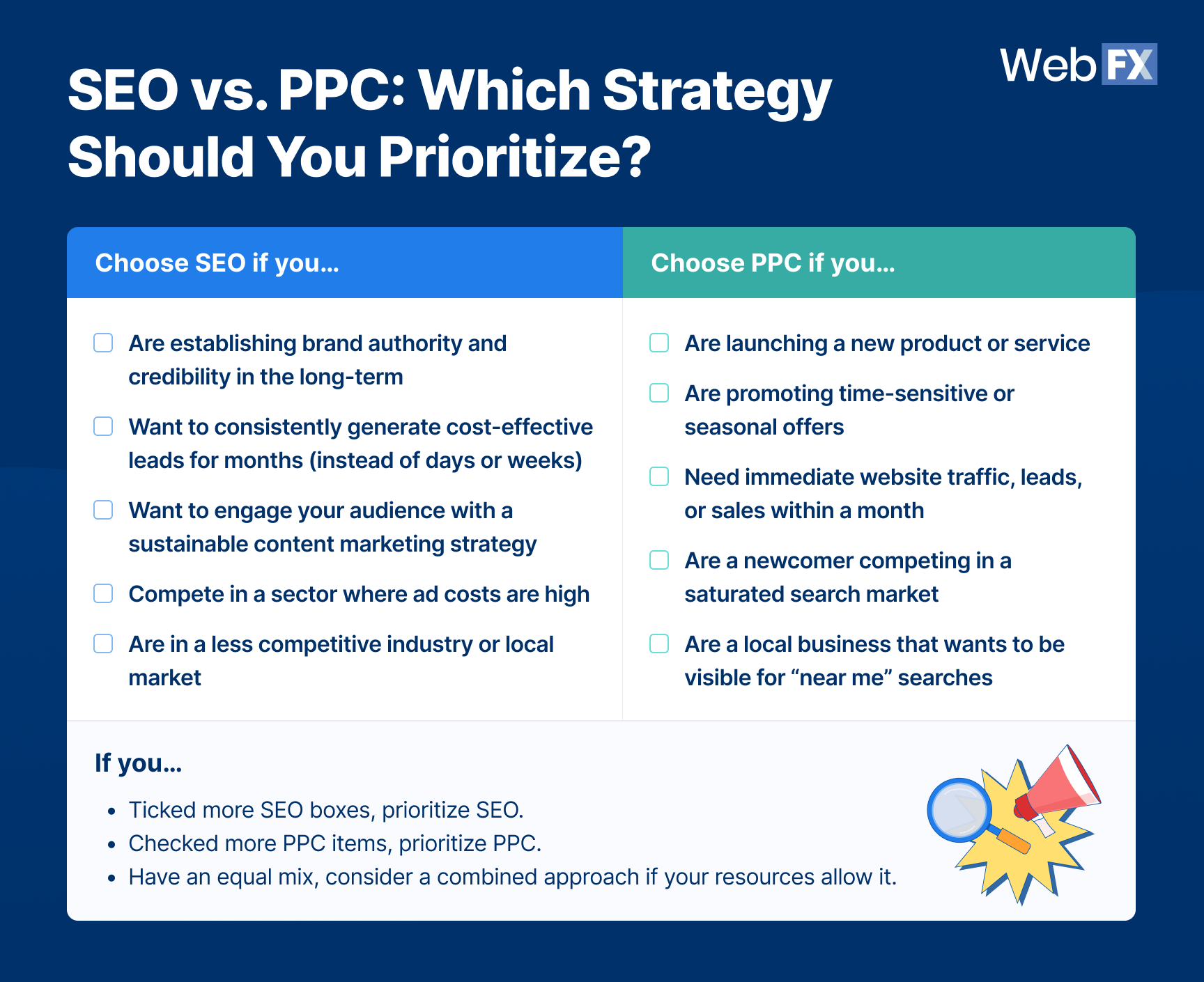
- What is difference between PPC and SEO?
- What is PPC and how does it work?
- Are search ads PPC?
- Is PPC a SEM or SEO?
- What are examples of PPC?
- What is the difference between PPC and Search Engine Marketing?
- What is PPC in Search Engine Marketing?
- Is Google search ads PPC?
- Does search engine marketing include PPC?
- What is PPC search engine marketing?
- Is PPC An SEM or SEO?
- What is PPC online advertising?
- What is an example of a PPC?
- What is PPC in social media marketing?
- What is PPC and how it works?
- What is PPC in internet?
What is Google PPC?
Google PPC, short for Google Pay-Per-Click, is an advertising model offered by Google that allows businesses to place ads on the search engine results pages. With Google PPC, advertisers bid on specific keywords relevant to their target audience. When users search for these keywords, the ads may appear at the top or bottom of the search results page. Advertisers only pay when someone clicks on their ad, making it a cost-effective way to drive targeted traffic to their website. Google PPC provides businesses with a highly measurable and flexible advertising platform to reach potential customers at the moment they are actively searching for products or services.
What is difference between PPC and SEO?
One frequently asked question in the realm of PPC search engine internet marketing is: “What is the difference between PPC and SEO?” While both PPC (Pay-Per-Click) and SEO (Search Engine Optimization) are strategies used to increase online visibility and drive traffic to websites, they differ in their approach and execution. PPC involves paying for ads to appear on search engine results pages, with costs incurred each time a user clicks on the ad. On the other hand, SEO focuses on optimizing website content and structure to improve organic search rankings, without direct payment for clicks. While PPC offers immediate visibility and control over ad placements, SEO provides long-term benefits through sustainable organic traffic growth. Understanding the distinctions between PPC and SEO is crucial for developing a comprehensive digital marketing strategy that leverages the strengths of both approaches effectively.
What is PPC and how does it work?
PPC, or Pay-Per-Click, is a digital advertising model where advertisers pay a fee each time their ad is clicked. In the context of search engine internet marketing, PPC works by allowing businesses to bid on keywords relevant to their products or services. When users search for these keywords on search engines like Google, ads from advertisers participating in the auction are displayed. The position of the ads is determined by a combination of bid amount and ad quality score. When a user clicks on the ad, the advertiser pays the search engine a predetermined cost. PPC offers businesses a targeted and measurable way to reach potential customers, drive traffic to their websites, and achieve specific marketing goals.
Are search ads PPC?
In the realm of PPC search engine internet marketing, a common query that arises is whether search ads fall under the category of Pay-Per-Click (PPC) advertising. The answer is yes – search ads are indeed a form of PPC advertising. With search ads, advertisers bid on specific keywords relevant to their business, and they only pay when a user clicks on their ad. This cost-effective model allows businesses to target their audience directly and drive traffic to their websites, making search ads an integral part of PPC strategies aimed at boosting online visibility and generating conversions.
Is PPC a SEM or SEO?
In the realm of digital marketing, it’s important to distinguish between Pay-Per-Click (PPC) advertising and Search Engine Marketing (SEM) as well as Search Engine Optimization (SEO). PPC is a component of SEM, which encompasses various strategies to increase a website’s visibility on search engine results pages. While PPC involves paying for ads to appear in search results, SEO focuses on organic methods to improve a website’s ranking. Therefore, PPC is considered part of SEM, not SEO. Understanding this distinction is crucial for businesses looking to leverage different tactics effectively in their online marketing efforts.
What are examples of PPC?
In the realm of PPC search engine internet marketing, examples of popular PPC platforms include Google Ads (formerly known as Google AdWords), Bing Ads, and social media advertising on platforms like Facebook Ads and LinkedIn Ads. These platforms allow businesses to create targeted ads that appear on search engine results pages or social media feeds, reaching potential customers based on specific demographics, interests, and search queries. By utilising PPC advertising on these platforms, businesses can effectively promote their products or services to a relevant audience and drive traffic to their websites for increased visibility and conversions.
What is the difference between PPC and Search Engine Marketing?
One frequently asked question in the realm of PPC search engine internet marketing is: “What is the difference between PPC and Search Engine Marketing?” While the terms are often used interchangeably, there is a distinction to be made. PPC (Pay-Per-Click) is a specific form of online advertising where advertisers pay a fee each time their ad is clicked. On the other hand, Search Engine Marketing (SEM) encompasses a broader range of activities aimed at increasing visibility in search engine results pages, including both paid strategies like PPC and organic tactics such as search engine optimization (SEO). In essence, PPC is a subset of SEM, with SEM covering a wider scope of digital marketing strategies to enhance online presence and drive traffic.
What is PPC in Search Engine Marketing?
PPC, or Pay-Per-Click, in Search Engine Marketing refers to a form of online advertising where advertisers pay a fee each time their ad is clicked on by a user. It is a popular and effective way to drive targeted traffic to websites, as ads are displayed on search engine results pages based on specific keywords. PPC allows businesses to reach potential customers at the precise moment they are searching for products or services related to their offerings. By utilising PPC strategies, businesses can increase visibility, attract qualified leads, and ultimately boost conversions.
Is Google search ads PPC?
Yes, Google search ads are a form of Pay-Per-Click (PPC) advertising. When you run ads on Google’s search engine results pages, you only pay when someone clicks on your ad. This means that you can reach potential customers who are actively searching for products or services related to your business. Google search ads allow you to target specific keywords and set a budget, making it a cost-effective way to drive targeted traffic to your website and increase your online visibility. By leveraging Google search ads as part of your PPC strategy, you can effectively reach your target audience and generate valuable leads for your business.
Does search engine marketing include PPC?
In the realm of digital marketing, the frequently asked question of whether search engine marketing includes Pay-Per-Click (PPC) is a common query among businesses and marketers. Search engine marketing encompasses various tactics to enhance a brand’s online visibility, with PPC being a crucial component. While search engine marketing involves both organic strategies like search engine optimisation (SEO) and paid advertising methods like PPC, it’s important to understand that PPC is a distinct subset within the broader umbrella of search engine marketing. By utilising PPC campaigns, businesses can effectively target specific keywords, reach their desired audience, and drive measurable results through paid advertising on search engines.
What is PPC search engine marketing?
PPC search engine marketing, commonly known as Pay-Per-Click advertising, is a digital marketing strategy where advertisers pay a fee each time their ad is clicked on search engine results pages. It is a cost-effective way to drive targeted traffic to websites, as advertisers can bid on specific keywords relevant to their business. PPC search engine marketing allows businesses to reach potential customers at the precise moment they are searching for products or services, making it an efficient method to increase online visibility and generate leads. By carefully selecting keywords, creating compelling ad copy, and monitoring performance metrics, businesses can maximise the effectiveness of their PPC campaigns and achieve measurable results in the competitive online landscape.
Is PPC An SEM or SEO?
The frequently asked question “Is PPC an SEM or SEO?” often arises in discussions about digital marketing strategies. While Pay-Per-Click (PPC) is a component of Search Engine Marketing (SEM), it is distinct from Search Engine Optimization (SEO). SEM encompasses various tactics to improve a website’s visibility on search engine results pages, including both PPC advertising and SEO efforts. PPC involves paying for ads to appear at the top of search results, while SEO focuses on organic methods to enhance a website’s ranking. Understanding the differences between PPC, SEM, and SEO is crucial for developing a comprehensive digital marketing strategy that effectively reaches and engages target audiences.
What is PPC online advertising?
PPC online advertising, also known as Pay-Per-Click advertising, is a digital marketing strategy where advertisers pay a fee each time their ad is clicked. It is a cost-effective way to drive targeted traffic to websites and increase online visibility. With PPC advertising, businesses can bid on specific keywords related to their products or services and have their ads displayed on search engine results pages or other online platforms. This model allows advertisers to reach potential customers who are actively searching for what they offer, making it a highly efficient method for generating leads and conversions in the competitive online landscape.
What is an example of a PPC?
An example of a PPC (Pay-Per-Click) advertising platform is Google Ads, formerly known as Google AdWords. Google Ads allows businesses to create and display ads on the Google search engine results pages and across its extensive network of partner websites. Advertisers bid on specific keywords related to their products or services, and they only pay when a user clicks on their ad. This model ensures that businesses can target their audience effectively and track the performance of their campaigns in real-time, making Google Ads a popular choice for PPC search engine internet marketing strategies.
What is PPC in social media marketing?
In the realm of social media marketing, PPC stands for Pay-Per-Click advertising, a method used to promote products or services on various social media platforms. Unlike traditional advertising where you pay a fixed amount regardless of performance, PPC in social media marketing allows businesses to pay only when a user clicks on their ad. This cost-effective approach enables targeted reach and precise audience segmentation, making it an efficient way to drive traffic, increase brand awareness, and generate leads on popular social media channels such as Facebook, Instagram, LinkedIn, and Twitter.
What is PPC and how it works?
Pay-Per-Click (PPC) is a digital advertising model where advertisers pay a fee each time their ad is clicked. In the context of search engine internet marketing, PPC works by allowing businesses to bid on keywords relevant to their target audience. When users enter these keywords into search engines like Google, ads related to those keywords are displayed. Ad placement is often determined by a combination of bid amount and ad relevance. When a user clicks on the ad, the advertiser pays the search engine a predetermined cost. This model enables businesses to reach potential customers actively searching for products or services they offer, making PPC an effective and measurable way to drive targeted traffic to their websites.
What is PPC in internet?
PPC, which stands for Pay-Per-Click, is a popular advertising model used in internet marketing. In the context of search engines, PPC involves advertisers bidding on specific keywords to have their ads displayed on search engine results pages. When a user clicks on the ad, the advertiser pays a fee to the search engine. This model allows businesses to target their audience effectively and pay only for actual clicks, making it a cost-efficient way to drive traffic to their websites. PPC campaigns can be highly targeted and measurable, providing valuable insights into user behaviour and campaign performance.
Leave a Reply