
Local SEO Services: A Practical Guide for UK Businesses
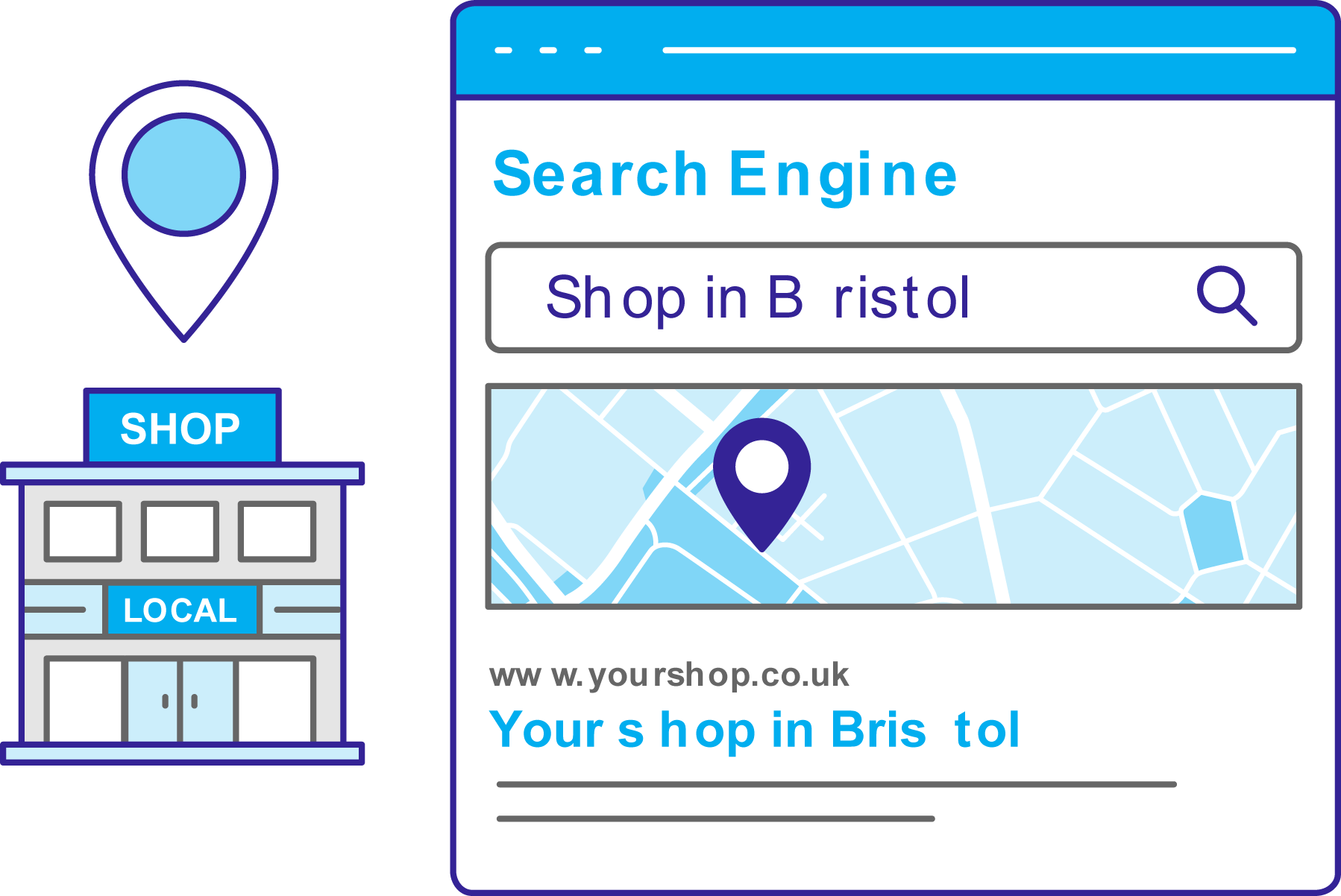
When people need a nearby service, they often search online using phrases such as “plumber near me” or “accountant in Leeds”. Local SEO helps businesses appear in these location-based searches, making it easier for potential customers to find relevant services in their area.
A local SEO service focuses on improving a business’s visibility in search results for specific towns, cities or neighbourhoods. It can help attract people who are already looking for what the business offers, whether they are searching on Google Maps or through a standard search engine results page.
What is local SEO?
Local SEO, or local search engine optimisation, is the process of improving a business’s online presence so it is more visible to people searching in a particular area. It combines website improvements with accurate business information across online directories and platforms.
Local search results can include map listings, business profiles, reviews and website pages. Search engines use information such as location, relevance and prominence to decide which businesses to show. Local SEO aims to make that information clear, accurate and useful.
What does a local SEO service include?
The exact work depends on the business, its location and its goals. A local SEO service may include the following:
- Local SEO audit: Reviewing a website, business listings and search visibility to identify areas for improvement.
- Google Business Profile optimisation: Checking that the profile is complete, accurate and regularly maintained, including its categories, services, opening hours and contact details.
- Local keyword research: Identifying the phrases people use when searching for products or services in a particular area.
- On-page SEO: Improving relevant website pages, headings, titles and content so they clearly explain what the business offers and where it operates.
- Local landing pages: Creating useful pages for the areas a business serves, where this genuinely helps customers.
- Business listings and citations: Checking that the business name, address and phone number are consistent across trusted directories.
- Review management guidance: Helping a business encourage genuine customer feedback and respond professionally to reviews.
- Local link building: Developing relevant links and relationships with local organisations, publications and community groups.
- Tracking and reporting: Monitoring relevant measures, such as website visits, calls, enquiries and local search visibility.
Why is local SEO important?
Local SEO can help a business reach people who are searching for nearby products or services. It may be particularly valuable for tradespeople, professional services, shops, restaurants, healthcare providers and other organisations that serve customers in a defined area.
A well-maintained local presence can also make it easier for potential customers to find practical details, such as opening hours, directions and contact information. Clear information and genuine reviews can help people decide whether a business is right for them.
How does local SEO work?
Search engines aim to show useful results for each search. For local searches, they may consider three broad factors:
- Relevance: How closely the business matches what someone is searching for.
- Distance: How close the business is to the searcher or the location included in the search.
- Prominence: How well known or established the business appears to be, based on information available online and other signals.
These factors are not a checklist that guarantees a particular position. Search results can vary depending on the search, the user’s location, competition and other factors. Consistent, helpful work can strengthen a business’s local presence over time, but no reputable provider can guarantee a specific ranking.
What to look for when choosing a local SEO service
Choosing an SEO provider is easier when expectations and responsibilities are clear. Before committing, consider asking:
- What work will be carried out, and what is included in the fee?
- How will progress be measured and reported?
- Who will own and manage the website and business listings?
- How will the provider handle reviews, directory listings and website content?
- What results are realistic, and over what timescale?
- Will the strategy follow search engine guidelines?
Be cautious of guarantees of instant results or fixed rankings. Local SEO is an ongoing process, and outcomes depend on factors such as competition, the business’s website and the accuracy of its online information.
How long does local SEO take?
There is no single timescale for local SEO. Some improvements, such as correcting business details or completing a profile, can be made relatively quickly. Changes in visibility and enquiries may take longer, especially in competitive areas or where a website needs substantial work. Regular monitoring helps show what is improving and where further action may be needed.
Is local SEO right for your business?
Local SEO is worth considering if your business serves customers in a specific geographic area and people search online for the services you provide. The first step is to make sure your business information is accurate and that your website clearly explains your services, service area and contact options.
A well-planned local SEO strategy can help make a business easier to find and easier to contact. By focusing on accurate information, useful website content and a trustworthy online presence, businesses can build a stronger foundation for attracting local customers.
6 Essential Tips for Enhancing Your Local SEO Strategy
- Optimise your Google Business Profile.
- Keep your name, address and phone number consistent.
- Use local keywords on key pages.
- Ask satisfied customers for reviews.
- Create pages for each service area.
- Track local rankings and enquiries.
Optimise your Google Business Profile.
Optimising your Google Business Profile can help local customers find and choose your business. Make sure your business name, address, phone number, website, opening hours and service details are accurate and consistent with the information on your website. Choose the most relevant business categories, add clear, up-to-date photos and respond professionally to customer reviews. Keeping your profile complete and current gives potential customers useful information and helps search engines understand what you offer and where you operate.
Keep your name, address and phone number consistent.
Keep your business name, address and phone number (NAP) consistent everywhere they appear online, including your website, Google Business Profile and online directories. Even small differences, such as an abbreviated street name or an old phone number, can confuse potential customers and make it harder for search engines to match listings to your business. Check your details regularly and update them promptly whenever they change.
Use local keywords on key pages.
Use local keywords naturally on the key pages of your website to help search engines and potential customers understand where you operate. Include relevant town, city or neighbourhood names alongside your services in page titles, headings and useful body text—for example, “emergency plumbing in Bristol”. Keep the wording clear and helpful, and only mention locations you genuinely serve; adding place names unnaturally or creating repetitive pages can make content less useful.
Ask satisfied customers for reviews.
Encourage satisfied customers to leave an honest review on platforms such as Google. Reviews can help potential customers learn about their experience with your business and strengthen your local online presence. Make the request politely after a positive interaction, and never offer incentives or pressure customers to post a favourable review. Responding thoughtfully to feedback also shows that you value your customers.
Create pages for each service area.
Create a dedicated page for each area your business genuinely serves to help local customers find the right information. Include useful details about the services available in that location, such as relevant examples, local contact information and any practical differences in how you operate there. Make each page original and genuinely helpful rather than simply changing the place name on a template; thin, repetitive pages can offer little value to visitors. Use clear page titles and headings, and link to these pages from relevant sections of your website.
Track local rankings and enquiries.
Track local rankings and enquiries to understand whether your local SEO efforts are reaching the right people. Monitor how your business appears for relevant searches in the areas you serve, and keep an eye on calls, website visits, form submissions and other enquiries from local customers. Reviewing these measures regularly can show what is working, highlight areas for improvement and help you make informed decisions about your strategy.
Leave a Reply