
The Power of PPC Search Marketing
Pay-Per-Click (PPC) search marketing is a powerful tool for businesses looking to boost their online presence and drive targeted traffic to their websites. In today’s competitive digital landscape, having a strong PPC strategy can make all the difference in reaching your target audience effectively.
PPC search marketing allows businesses to create ads that appear on search engine results pages when users enter relevant keywords. These ads are highly targeted, meaning they are shown to users who are actively searching for products or services related to what your business offers.
One of the key benefits of PPC search marketing is its cost-effectiveness. With PPC, you only pay when a user clicks on your ad, making it a measurable and efficient way to reach potential customers. Additionally, PPC campaigns can be easily tracked and adjusted in real-time to maximise performance and ROI.
Another advantage of PPC search marketing is its ability to provide instant results. Unlike organic search engine optimisation (SEO), which can take time to see significant results, PPC ads can generate immediate traffic to your website once the campaign is live.
Furthermore, PPC allows businesses to target specific demographics, locations, and devices, ensuring that your ads reach the right audience at the right time. This level of targeting helps improve conversion rates and maximise the impact of your advertising budget.
In conclusion, PPC search marketing is a valuable tool for businesses looking to increase their online visibility, drive targeted traffic, and achieve measurable results. By leveraging the power of PPC ads effectively, businesses can enhance their digital marketing efforts and stay ahead in today’s competitive online landscape.
Essential FAQs on PPC Search Marketing: A Guide to Understanding and Optimising Your Campaigns
- What is PPC search marketing?
- How does PPC search marketing work?
- What are the benefits of using PPC search marketing?
- How can PPC search marketing help my business?
- What is the difference between PPC and SEO?
- How do I create an effective PPC search marketing campaign?
- What metrics should I track to measure the success of my PPC campaigns?
- Are there any common mistakes to avoid in PPC search marketing?
What is PPC search marketing?
PPC search marketing, also known as Pay-Per-Click search marketing, is a digital advertising strategy where businesses create and display ads on search engine results pages. In PPC campaigns, advertisers bid on specific keywords relevant to their products or services, and their ads appear when users search for those keywords. The term “Pay-Per-Click” refers to the payment model where advertisers only pay when someone clicks on their ad. This targeted approach allows businesses to reach potential customers actively searching for what they offer, making PPC search marketing an effective way to drive traffic to websites and increase online visibility.
How does PPC search marketing work?
PPC search marketing operates on a straightforward principle: advertisers bid on keywords relevant to their business, and their ads are displayed on search engine results pages when users search for those keywords. When a user clicks on the ad, the advertiser pays a fee to the search engine. The position of the ad is determined by factors like bid amount, ad relevance, and click-through rate. This model allows businesses to target specific audiences, track performance in real-time, and adjust campaigns to optimise results. Ultimately, PPC search marketing offers a cost-effective and measurable way for businesses to reach their target audience and drive traffic to their websites.
What are the benefits of using PPC search marketing?
The benefits of using PPC search marketing are manifold. Firstly, PPC allows businesses to target specific keywords and appear at the top of search engine results pages, increasing visibility and driving relevant traffic to their websites. Secondly, PPC is a cost-effective advertising method as businesses only pay when users click on their ads, ensuring that their budget is utilised efficiently. Additionally, PPC campaigns can be tailored to target specific demographics, locations, and devices, enabling businesses to reach their ideal audience effectively. Furthermore, the instant results generated by PPC ads provide businesses with immediate feedback on campaign performance, allowing for real-time adjustments to maximise ROI. Overall, the benefits of using PPC search marketing include increased online visibility, targeted traffic generation, cost-efficiency, audience targeting capabilities and real-time performance tracking.
How can PPC search marketing help my business?
PPC search marketing can significantly benefit your business by driving targeted traffic to your website, increasing brand visibility, and generating valuable leads. By using PPC ads strategically, you can reach potential customers who are actively searching for products or services related to your business. This targeted approach not only increases the likelihood of conversions but also allows you to track and measure the effectiveness of your campaigns in real-time. With the ability to set specific budgets, target demographics, and adjust ad content as needed, PPC search marketing offers a cost-effective way to enhance your online presence and achieve tangible results for your business.
What is the difference between PPC and SEO?
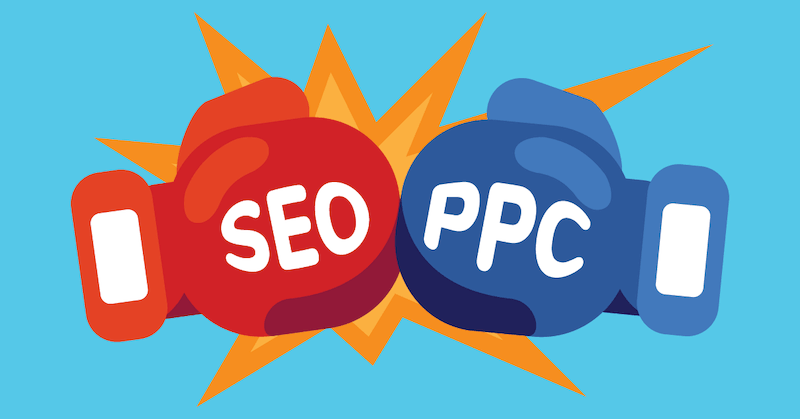
One frequently asked question in the realm of PPC search marketing is: “What is the difference between PPC and SEO?” The main distinction lies in their approach to driving traffic to a website. PPC (Pay-Per-Click) involves paid advertising, where businesses bid on keywords to have their ads displayed on search engine results pages. In contrast, SEO (Search Engine Optimization) focuses on improving a website’s organic search ranking through various strategies like content optimization and link building. While PPC offers immediate visibility by paying for placement, SEO aims for long-term sustainable growth by enhancing a site’s relevance and authority in search engine algorithms. Both PPC and SEO play crucial roles in a comprehensive digital marketing strategy, each offering unique benefits and serving different purposes in driving online traffic and conversions.
How do I create an effective PPC search marketing campaign?
Creating an effective PPC search marketing campaign involves several key steps to maximise its success. Firstly, conducting thorough keyword research is crucial to identify relevant and high-performing keywords that align with your business goals. Crafting compelling ad copy that resonates with your target audience is essential to drive clicks and conversions. Setting clear campaign objectives, defining a budget, and monitoring performance metrics regularly are vital for optimising your campaign’s effectiveness. Additionally, testing different ad variations, targeting options, and landing pages can help refine your strategy and improve overall performance. By following these best practices and continuously refining your approach based on data-driven insights, you can create a successful PPC search marketing campaign that delivers tangible results for your business.
What metrics should I track to measure the success of my PPC campaigns?
When evaluating the success of your PPC campaigns, it is essential to track key metrics that provide insights into the performance and effectiveness of your advertising efforts. Some important metrics to monitor include click-through rate (CTR), conversion rate, cost per click (CPC), return on ad spend (ROAS), and quality score. CTR indicates how engaging your ads are to users, while conversion rate measures the percentage of visitors who take a desired action on your website. CPC helps you understand how much you are paying for each click, while ROAS calculates the revenue generated for every pound spent on advertising. Quality score reflects the relevance and quality of your ads, keywords, and landing pages. By analysing these metrics regularly, you can make informed decisions to optimise your PPC campaigns for better results and return on investment.
Are there any common mistakes to avoid in PPC search marketing?
In PPC search marketing, there are several common mistakes that businesses should avoid to ensure the success of their campaigns. One common mistake is not conducting thorough keyword research to target the right audience effectively. Choosing irrelevant or overly broad keywords can lead to wasted ad spend and low conversion rates. Another mistake is neglecting to continuously monitor and optimise campaigns for performance. Without regular analysis and adjustments, businesses may miss out on opportunities to improve ad relevance and ROI. Additionally, overlooking the importance of ad copy quality and landing page experience can hinder the effectiveness of PPC campaigns. By avoiding these common pitfalls and implementing best practices, businesses can maximise the impact of their PPC search marketing efforts.
Leave a Reply