
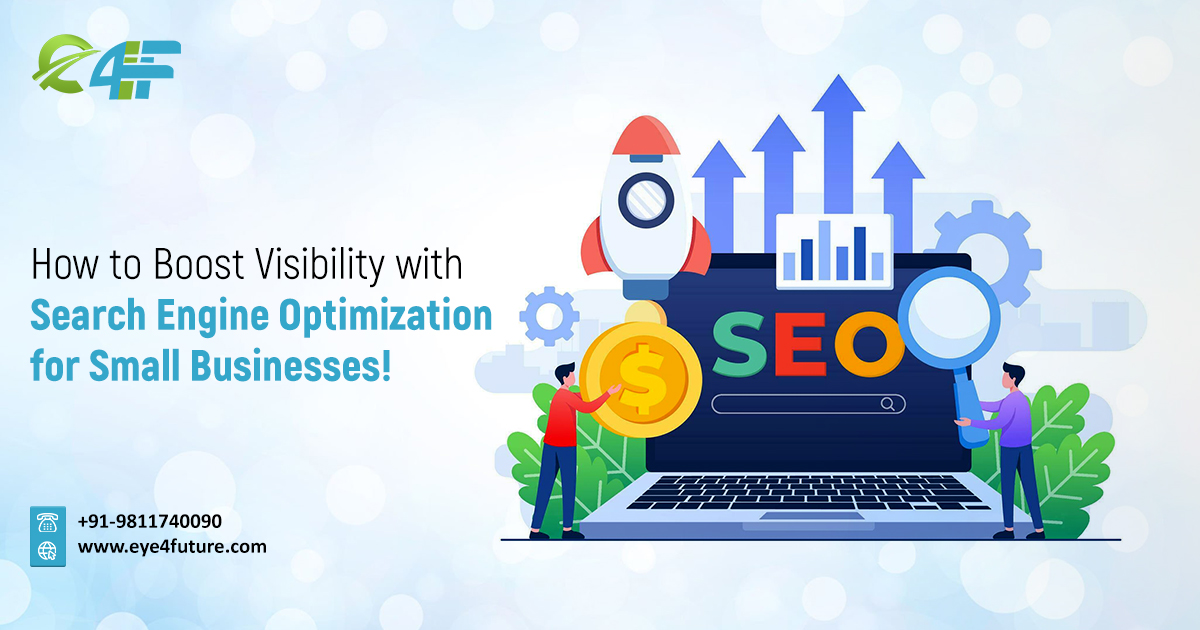
Search Engine Optimisation and Internet Marketing: A Practical Guide
Search engine optimisation (SEO) is an important part of internet marketing. It helps people discover a website through search engines such as Google and Bing, while supporting wider efforts to attract, engage and convert potential customers online. When SEO is planned alongside other digital marketing activities, it can contribute to steady, long-term business growth.
What is search engine optimisation?
SEO is the process of improving a website so that search engines can understand its content and users can find it more easily. It includes a range of activities, from researching the words people use when searching to improving website structure, page speed and content quality.
SEO does not guarantee a particular ranking. Search engines use many signals to decide which pages to show, and their systems change over time. A sustainable approach focuses on making a website useful, accessible and relevant rather than trying to exploit short-term ranking tricks.
How SEO fits into internet marketing
Internet marketing brings together the channels and techniques businesses use to reach people online. These may include SEO, paid search advertising, social media, email marketing, content marketing and online public relations.
Each channel can play a different role. Paid advertising may provide immediate visibility, while SEO can help a business earn traffic over time. Social media can introduce content to new audiences, and email can help maintain relationships with existing customers. A joined-up strategy makes these activities more effective: insights from one channel can inform work on another.
The main areas of SEO
Keyword and audience research
Keyword research helps identify the questions, needs and phrases people use when looking for products, services or information. It is important to consider what a searcher wants to achieve, not just the exact words they type. Someone searching for “how to choose running shoes”, for example, is likely looking for advice, whereas a search for a specific shoe model may signal an intention to buy.
Use research to plan helpful pages around real audience needs. Avoid forcing keywords into text where they do not belong; clear, natural writing is better for readers and easier to maintain.
On-page optimisation
On-page SEO involves improving the content and elements of individual pages. Useful practices include writing descriptive page titles, using clear headings, creating informative page descriptions and making links between related pages easy to follow.
Content should answer the reader’s question accurately and be easy to scan. Original expertise, practical examples and clear explanations can make a page more valuable than a generic summary of information already available elsewhere.
Technical SEO
Technical SEO helps search engines access, understand and index a website. It can involve improving page loading speed, ensuring the site works well on mobile devices, fixing broken links, using secure connections and providing a logical site structure.
Accessibility also matters. Descriptive link text, readable layouts and alternative text for meaningful images can make a website easier for more people to use. Good technical foundations support both the visitor experience and search visibility.
Off-page SEO and reputation
Off-page SEO refers to activity beyond a website that can contribute to its reputation and visibility. Relevant links from trustworthy websites may help people discover useful resources and can act as a signal of credibility. Links should be earned through valuable content, genuine partnerships and worthwhile contributions—not bought or created through manipulative schemes.
Creating an effective SEO content plan
A content plan connects audience needs with business goals. Start by identifying the people you want to reach and the questions they are likely to ask at different stages of their decision-making process. Then decide which pages can answer those questions best.
- Set a clear objective: Decide whether the priority is awareness, enquiries, sales, bookings or another measurable outcome.
- Research your audience: Use customer conversations, search data and website analytics to understand their needs.
- Plan useful content: Create pages that provide accurate, distinctive and relevant information.
- Review existing pages: Update content that is outdated, incomplete or difficult to navigate.
- Measure and improve: Track performance and make changes based on evidence.
Measuring SEO performance
Rankings can be useful to monitor, but they should not be the only measure of success. Consider a broader set of indicators, such as organic visits, relevant search impressions, engagement, enquiries, sales and conversion rates. The right measures depend on the purpose of the website.
Give changes time to have an effect and compare performance over meaningful periods. Search results can fluctuate because of seasonality, competition, algorithm updates and changes in user behaviour. Regular analysis helps distinguish lasting trends from short-term variation.
Common SEO mistakes to avoid
- Writing for search engines instead of people: Repetitive, unnatural text can make pages harder to read.
- Expecting instant results: SEO often takes time, particularly in competitive markets.
- Ignoring mobile users: A site that is difficult to use on a phone can frustrate visitors.
- Publishing without a purpose: More content is not automatically better; each page should serve a clear need.
- Overlooking measurement: Without reliable data, it is difficult to know what is working.
- Relying on guarantees: No one can legitimately guarantee a specific search ranking.
Bringing SEO and internet marketing together
Search engine optimisation works best as part of a broader internet marketing strategy. Useful content can support organic search, social media and email campaigns. Paid search can help test messaging, while customer feedback can reveal new topics to address. Consistent branding and clear calls to action help visitors move from discovering a business to taking the next step.
The strongest approach is patient and audience-focused: understand what people need, provide a genuinely helpful experience, and use data to keep improving. By combining sound SEO foundations with thoughtful internet marketing, businesses can build visibility and create more meaningful connections with their online audiences.
Essential SEO Tips: Boost Your Online Presence with These 8 Strategies
- Research keywords your audience actually uses.
- Write clear, useful page titles and meta descriptions.
- Create helpful content that answers searchers’ questions.
- Use descriptive headings and organise content logically.
- Make your website fast and mobile-friendly.
- Earn quality backlinks through valuable content and outreach.
- Optimise images with relevant file names and alt text.
- Track rankings, traffic and conversions, then refine your strategy.
Research keywords your audience actually uses.
Research the keywords your audience actually uses by exploring the questions, phrases and terms they enter into search engines. Consider their needs and search intent, not just search volume: someone seeking advice may need an informative guide, while someone comparing products may be closer to making a purchase. Use insights from customer conversations, search suggestions and keyword research tools to shape useful, relevant content. This helps your website match real searches naturally, without awkwardly forcing keywords into the text.
Write clear, useful page titles and meta descriptions.
Write clear, useful page titles and meta descriptions to help people understand what each page offers before they visit. Keep titles concise, specific and relevant to the page, and describe its main benefit or information in the meta description. Include important search terms naturally, but avoid keyword stuffing or promises the page does not deliver. Although meta descriptions do not directly determine rankings, a compelling, accurate description can encourage the right people to click through from search results.
Create helpful content that answers searchers’ questions.
Create helpful content that answers searchers’ questions clearly and accurately. Start by understanding what your audience wants to know, then provide practical, trustworthy information in straightforward language. Organise the page with clear headings and relevant examples so readers can find what they need quickly. Useful content can improve the visitor experience, build trust in your business and support your wider search engine optimisation and internet marketing efforts.
Use descriptive headings and organise content logically.
Use descriptive headings to make your content easier to scan and understand. Organise them in a logical order, with one clear main heading followed by relevant subheadings, so readers can quickly find the information they need. This structure also helps search engines understand how topics on the page relate to one another, supporting a better experience for both visitors and search engines.
Make your website fast and mobile-friendly.
Make your website fast and mobile-friendly to give visitors a better experience and support your search engine optimisation efforts. Pages that load quickly and display clearly on phones and tablets are easier to use, helping people find information and complete actions without frustration. Use responsive design, compress image files, remove unnecessary features and regularly test page speed across different devices. While performance alone cannot guarantee higher rankings, it helps create a more accessible, user-friendly website.
Earn quality backlinks through valuable content and outreach.
Earn quality backlinks by creating valuable, original content that other websites genuinely want to reference, such as practical guides, useful research or expert insights. Then reach out to relevant publishers, bloggers and industry organisations with a brief, personal message explaining why the content may be useful to their audience. Focus on building genuine relationships and earning links naturally, rather than buying links or using manipulative tactics; relevant, trustworthy backlinks can strengthen your website’s credibility and support its visibility in search results.
Optimise images with relevant file names and alt text.
Optimise images by giving each file a clear, descriptive name that reflects what it shows, rather than using a generic name such as “IMG_1234”. Add concise, accurate alt text to explain the image’s content and purpose for people using screen readers, and to help search engines understand its context. Use relevant terms naturally, but avoid keyword stuffing; if an image is purely decorative, leave its alt text empty so assistive technology can ignore it.
Track rankings, traffic and conversions, then refine your strategy.
Track your search rankings, website traffic and conversions regularly to understand how your SEO and internet marketing efforts are performing. Rankings show whether your pages are becoming more visible, traffic reveals whether people are finding and visiting your site, and conversions indicate whether those visits are leading to valuable actions, such as enquiries or purchases. Use these insights to identify what is working, spot areas for improvement and refine your strategy over time.
Leave a Reply