
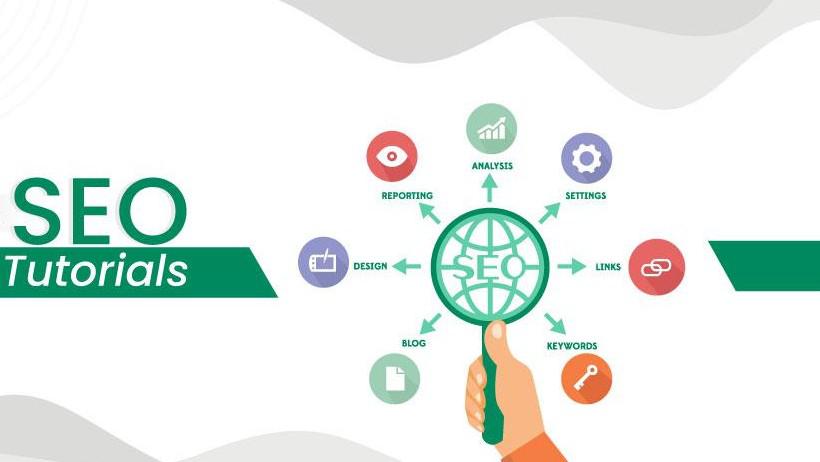
Business Search Engine Optimisation: A Practical Guide to Growing Your Online Visibility
When people need a product or service, many begin by searching online. If your business is difficult to find in search results, potential customers may choose a competitor instead. Business search engine optimisation (SEO) helps improve your website’s visibility so that the right people can discover your business through relevant searches.
SEO is not a quick fix or a guaranteed route to the top of Google. It is an ongoing process of making your website more useful, accessible and relevant to both visitors and search engines. With a clear strategy, it can support long-term growth and bring more qualified traffic to your site.
What is business SEO?
Business SEO is the practice of improving a company’s website and online presence to attract unpaid traffic from search engines. It combines technical improvements, useful content, relevant keywords and credible links to help search engines understand what your business offers.
Effective SEO also focuses on the people using your website. Visitors should be able to find clear answers, understand your products or services and take the next step, whether that means making an enquiry, booking an appointment or buying online.
Why is SEO important for businesses?
Search engines can connect your business with people who are actively looking for what you offer. A strong SEO strategy can help your business:
- Reach potential customers at the moment they are searching.
- Increase relevant, unpaid traffic to your website.
- Build awareness and trust in your brand.
- Support enquiries, bookings and online sales.
- Compete more effectively in your market.
SEO can be particularly valuable for smaller businesses that want to reach a specific audience or service area. However, results usually take time, and performance depends on factors such as competition, website quality and the search terms being targeted.
Key parts of a successful business SEO strategy
Understand your audience and their searches
Start by considering who your customers are, what they need and the words they use when searching. A customer may search for a specific service, compare different providers or look for advice before making a decision.
Keyword research helps identify relevant search terms and the intent behind them. Instead of focusing only on broad, highly competitive phrases, consider specific searches that closely match your products, services and expertise.
Create helpful, relevant content
Your website should clearly explain what your business does and how it helps customers. Create useful pages for your main services, products and locations, and answer common questions with accurate, original content.
Good content is written for people first. It should be easy to read, kept up to date and supported by clear headings. Avoid repeating keywords unnaturally; this can make pages harder to read without providing value to visitors.
Improve on-page SEO
On-page SEO involves optimising individual pages so that their purpose is clear to visitors and search engines. Important elements include:
- Descriptive page titles and meta descriptions.
- Clear headings that organise the information.
- Concise, readable page addresses.
- Relevant internal links between related pages.
- Descriptive alternative text for meaningful images.
- Useful calls to action, such as “Request a quote” or “Contact us”.
Each page should have a clear focus and provide enough information to meet the visitor’s needs.
Make the website technically sound
Technical SEO helps search engines access, understand and index your website. It also supports a better experience for visitors. Check that your site works well on mobile devices, loads efficiently, uses secure HTTPS connections and has no broken links or confusing navigation.
A logical site structure can make it easier for people to find important information. It is also useful to monitor website performance and resolve technical issues as they arise.
Strengthen local visibility
If your business serves customers in a particular area, local SEO can help people find you in location-based searches. Keep your business name, address and telephone number consistent across relevant online listings. Make sure your business profile information is accurate, including opening hours, services and contact details.
Genuine customer reviews can help people make informed decisions. Invite customers to share honest feedback, and respond professionally to reviews where appropriate.
Build credibility
Search engines use many signals to assess the quality and relevance of a website. Links from reputable, relevant websites can help demonstrate credibility, but they should be earned naturally. Useful approaches include publishing original research, contributing expert insight and building relationships with relevant organisations.
Avoid buying links or using schemes designed to manipulate rankings. These tactics can put your website at risk and rarely create lasting value.
How to measure SEO performance
Track results regularly so you can understand what is working and where improvements are needed. Useful measures include:
- Organic visits to your website.
- Search terms that bring visitors to your pages.
- Enquiries, sales, bookings or other meaningful actions.
- Engagement with important landing pages.
- Visibility for relevant local searches.
Rankings can provide context, but they should not be the only measure of success. The most useful question is whether SEO is helping your business reach the right people and achieve its goals.
Common SEO mistakes to avoid
- Choosing keywords without considering what searchers actually want.
- Publishing thin or repetitive content just to target more phrases.
- Ignoring mobile usability and page speed.
- Using misleading titles or making claims the business cannot support.
- Expecting immediate results from a long-term strategy.
- Measuring success by rankings alone.
Getting started with business SEO
Begin with a straightforward review of your website. Check that your main services are explained clearly, your contact details are easy to find and your pages work well on mobile devices. Then identify the searches that matter to your customers and prioritise the pages that can best meet their needs.
Business SEO works best as a continuing process: research, improve, publish, measure and refine. By focusing on useful information, a sound website and genuine customer needs, your business can build a stronger presence in search over time.
Top 14 Frequently Asked Questions About Business SEO
- What is business Search Engine Optimization?
- What is the best SEO for small business?
- What is SEO and examples?
- What are the 4 stages of SEO?
- How does SEO help small businesses?
- What is SEO and why it is important?
- What is search engine optimization in business?
- Why do businesses need SEO?
- What is the meaning of SEO on Fiverr?
- How do I start SEO for beginners?
- What are the 7 types of SEO?
- What is an example of SEO?
- What are examples of SEO?
- What are the 4 types of SEO?
What is business Search Engine Optimization?
Business search engine optimisation (SEO) is the process of improving a company’s website and online presence so it is more visible in relevant search engine results. It includes creating useful content, choosing appropriate keywords, improving website structure and performance, and strengthening local listings where relevant. The aim is to help potential customers find the business when they search for its products or services, and to encourage them to take the next step.
What is the best SEO for small business?
The best SEO for a small business is a practical strategy focused on the customers and locations you serve. Start by making your website fast, mobile-friendly and easy to navigate, with clear pages describing your products or services and useful content that answers customers’ questions. If you serve a local area, keep your business details accurate across online listings, optimise your Google Business Profile and encourage genuine customer reviews. Track meaningful results, such as relevant website visits, enquiries and sales, and improve your approach over time. There is no single SEO solution for every small business, so prioritise the steps most closely aligned with your goals and budget.
What is SEO and examples?
SEO, or search engine optimisation, is the process of improving a website so it is easier to find in unpaid search results and more useful to visitors. For example, a local plumber might create a clear service page targeting “emergency plumber in Leeds”, add accurate business details to their Google Business Profile, and make sure their website works well on mobile. These steps can help search engines understand the business and connect it with people looking for its services.
What are the 4 stages of SEO?
The four commonly recognised stages of SEO are technical SEO, on-page SEO, content and off-page SEO. Technical SEO ensures search engines can access and understand your website; on-page SEO improves page titles, headings, links and other page elements; content provides useful information that meets searchers’ needs; and off-page SEO builds your site’s reputation through credible links and other external signals. These stages work together and should be reviewed regularly as your business and audience evolve.
How does SEO help small businesses?
SEO helps small businesses become easier to find when potential customers search online for relevant products or services. By improving your website’s content, visibility in local search results and overall user experience, SEO can attract more qualified visitors, build trust and encourage enquiries or sales. It can also help smaller businesses compete with larger companies by targeting specific services, audiences or locations. Results usually take time, but a well-planned SEO strategy can provide lasting value.
What is SEO and why it is important?
Search engine optimisation (SEO) is the process of improving a website so it is more likely to appear in relevant, unpaid search results. It includes creating useful content, improving website structure and performance, and helping search engines understand what a business offers. SEO is important because it can make a business easier to find when potential customers are searching for its products or services, helping attract relevant visitors, build trust and generate enquiries or sales over time.
What is search engine optimization in business?
Search engine optimisation (SEO) in business is the process of improving a company’s website and online presence so it is easier to find in unpaid search results. It involves creating useful content, using relevant search terms, improving website performance and earning links from reputable websites. The aim is to help potential customers find the business, learn about its products or services and take action, such as making an enquiry or placing an order.
Why do businesses need SEO?
Businesses need SEO to help potential customers find them when searching online for relevant products or services. By improving a website’s visibility in search results, SEO can attract more qualified visitors, build trust and support enquiries or sales. It also helps businesses provide a better online experience through useful content, clear navigation and mobile-friendly pages. Although SEO takes time and ongoing effort, it can be a valuable way to grow a business’s online presence over the long term.
What is the meaning of SEO on Fiverr?
SEO on Fiverr usually means Search Engine Optimisation: techniques used to help a website appear more prominently in search engine results such as Google. Fiverr sellers may offer services such as keyword research, on-page optimisation, technical improvements or link building. The term can also refer to optimising a Fiverr gig itself—using relevant keywords in its title, description and tags to help potential buyers find it on Fiverr.
How do I start SEO for beginners?
To start SEO as a beginner, first make sure your website is easy to use, works well on mobile and clearly explains what your business offers. Research the words and questions your potential customers use when searching, then create helpful pages that answer their needs. Give each page a clear title and headings, link related pages together, and keep your business details accurate across relevant online listings. Track visits, enquiries and sales to see what is working, and make improvements over time—SEO is a gradual process, so focus on providing genuine value rather than expecting instant results.
What are the 7 types of SEO?
The seven types of SEO are commonly described as on-page SEO, which improves elements on individual pages; off-page SEO, which builds a site’s reputation through signals such as quality backlinks; technical SEO, which helps search engines crawl and index a website; local SEO, which helps businesses appear in location-based searches; international SEO, which targets audiences in different countries or languages; e-commerce SEO, which improves the visibility of online shops and product pages; and content SEO, which focuses on creating useful, relevant material that meets searchers’ needs. These categories can overlap, and the right mix depends on your business and audience.
What is an example of SEO?
An example of SEO is a Bristol bakery improving its website so it can appear when people search for “wedding cakes in Bristol”. The bakery might create a clear page about its wedding cake designs, include helpful details and relevant search terms, make the page easy to use on mobile, and keep its local business listing accurate. These steps help search engines understand the page and may make it easier for nearby customers to find the bakery.
What are examples of SEO?
Examples of SEO include researching the phrases potential customers use, adding relevant keywords naturally to website pages, writing helpful articles that answer common questions, improving page titles and headings, making a website faster and easier to use on mobile, and fixing broken links. A local business might also update its online business profile, keep its contact details consistent across directories and encourage genuine customer reviews. Together, these activities help search engines understand a website and make it easier for the right people to find.
What are the 4 types of SEO?
The four main types of SEO are on-page, off-page, technical and local SEO. On-page SEO improves the content and elements on your website, such as headings, page titles and internal links. Off-page SEO focuses on building your website’s reputation through trusted links and mentions elsewhere online. Technical SEO helps search engines access and understand your site, while supporting a fast, secure and user-friendly experience. Local SEO helps businesses appear in searches relevant to a particular area, making it especially useful for businesses serving local customers.
Leave a Reply