
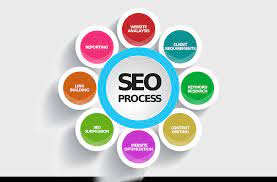
Google SEO Marketing: A Practical Guide to Growing Your Organic Traffic
Google SEO marketing is the practice of improving a website so that it can appear more prominently in Google’s unpaid search results. It combines useful content, sound website performance and a clear understanding of what people are looking for. When done well, it can help businesses attract relevant visitors, build trust and generate enquiries or sales over time.
SEO is not a quick fix, and no reputable provider can guarantee a particular Google ranking. Search results change, and results depend on factors such as competition, website quality and the needs of searchers. A sustainable approach focuses on making a site genuinely helpful and easy to find, rather than trying to manipulate the algorithm.
What does SEO marketing involve?
SEO stands for search engine optimisation. SEO marketing applies optimisation to business goals: reaching the right audience, answering their questions and guiding them towards a useful next step. It generally includes three connected areas:
- On-page SEO: Improving page content, headings, titles, internal links and other elements on the website.
- Technical SEO: Helping search engines access and understand the site, while ensuring it works well for visitors.
- Off-page SEO: Building the website’s reputation through genuine mentions, references and links from relevant sources.
Start with search intent
Good SEO begins with understanding what someone wants when they enter a query into Google. A person searching for “how to choose running shoes” is likely looking for advice, while someone searching for “buy running shoes near me” may be ready to make a purchase.
Research the words and questions your audience uses, then consider the intent behind them. Your page should meet that need directly. A product page, for example, should make it easy to understand the product, compare options and take action. An informational article should provide a clear, reliable answer rather than simply repeat a keyword.
Create helpful, trustworthy content
Content is central to Google SEO marketing, but publishing more pages does not automatically lead to better results. Each page should offer a clear purpose and provide value that is accurate, original and relevant to its intended audience.
To improve your content:
- Answer the main question early and explain important details clearly.
- Use descriptive headings to make the page easier to scan.
- Include first-hand knowledge or practical examples where appropriate.
- Check facts, update time-sensitive information and identify authors where useful.
- Use relevant terms naturally, without forcing repeated keywords into the text.
- Link to related pages on your site and to reliable sources when they support your explanation.
Google aims to show results that are useful and reliable. Demonstrating experience, expertise and trustworthiness can help readers assess your content, particularly in areas where inaccurate advice could have serious consequences.
Make your website technically accessible
Search engines need to be able to discover and understand your pages. Technical SEO helps remove barriers and creates a better experience for visitors. Start with the essentials: use a logical site structure, provide useful page titles and descriptions, and check that important pages are not accidentally blocked from crawling or indexing.
Your site should also work well on mobile devices, load efficiently and use HTTPS. Avoid broken links, confusing navigation and duplicate pages where possible. An XML sitemap can help search engines discover URLs, although submitting one does not guarantee that every page will be indexed.
Earn relevant links and build your reputation
Links from other websites can help people discover your content and may contribute to how search engines understand your site’s reputation. The most sustainable way to attract them is to create something worth referencing: original research, useful tools, expert guidance or a particularly clear resource.
Focus on relevance and quality, not volume. Buying links or taking part in schemes designed to manipulate rankings can put a website at risk of search engine penalties.
Consider local SEO
For businesses serving a particular area, local SEO can make it easier for nearby customers to find them. Keep business details such as the name, address and telephone number accurate and consistent. Complete and maintain your Google Business Profile, choose appropriate categories, add current opening hours and respond professionally to customer reviews.
Local pages should provide useful information about the service and area, rather than simply repeating location names. Make it easy for visitors to contact you, get directions or understand which areas you serve.
Measure performance and improve
SEO is an ongoing process. Google Search Console can show which queries lead people to your site, how pages perform in search and whether Google has identified indexing issues. Analytics tools can help you understand what visitors do after arriving, such as making a purchase, submitting a form or reading another page.
Track outcomes that matter to your organisation, not just rankings or total visits. Review performance over time, investigate pages that are losing traffic and improve content where it no longer meets the needs of searchers.
SEO and Google Ads are different
SEO targets unpaid search results, while Google Ads places paid advertisements in eligible positions. They can support the same marketing strategy, but they work differently. Paid campaigns can deliver visibility while they are funded; organic SEO usually takes longer to build and can continue attracting visitors after the initial work is complete.
Building a long-term SEO strategy
Effective Google SEO marketing is based on relevance, usefulness and steady improvement. Understand your audience, create content that meets their needs, maintain a technically sound website and earn a good reputation over time. By measuring meaningful results and adapting to changes, your business can build a more dependable presence in Google Search.
Top 5 Frequently Asked Questions About Google SEO Marketing
- What is Google SEO marketing?
- How does Google SEO work?
- How long does it take to see results from Google SEO?
- How much does Google SEO marketing cost?
- How can I improve my website’s ranking on Google?
What is Google SEO marketing?
Google SEO marketing is the process of improving a website so that it appears more prominently in Google’s unpaid search results. It involves understanding what people are searching for, creating useful and relevant content, and making the website easy for both visitors and search engines to use. SEO can help attract the right audience and support long-term growth, but results take time and rankings cannot be guaranteed.
How does Google SEO work?
Google SEO works by helping Google discover, understand and assess your website so it can show relevant pages in search results. Google uses automated systems to crawl pages, index their content and rank them according to factors such as relevance, quality, usability and the searcher’s location and needs. You can support this process by publishing helpful, accurate content, using clear page titles and headings, maintaining a fast, mobile-friendly website and earning credible links from other sites. SEO takes time, and rankings cannot be guaranteed, but regular improvements can help your pages reach the people searching for what you offer.
How long does it take to see results from Google SEO?
SEO results usually take several months to become noticeable, although the timeframe varies depending on your website’s current condition, the competitiveness of your industry and the work involved. Technical improvements may have an effect sooner, while building authority and gaining stronger organic visibility often takes longer. SEO is an ongoing process, so track progress using measures such as relevant traffic, enquiries and sales, rather than expecting immediate ranking changes.
How much does Google SEO marketing cost?
The cost of Google SEO marketing varies depending on your goals, industry, competition and the work required. Some businesses manage SEO in-house, while others pay an agency or consultant for a one-off project or ongoing support. Fees may cover activities such as technical improvements, keyword research, content creation and performance reporting. Rather than choosing the cheapest option, look for a clear scope of work, transparent pricing and realistic expectations—no provider can guarantee a specific Google ranking.
How can I improve my website’s ranking on Google?
To improve your website’s ranking on Google, create helpful, original content that closely matches what your audience is searching for, and organise it with clear headings and descriptive page titles. Make sure your site is easy to use on mobile, loads quickly, uses HTTPS and can be crawled by search engines. Build a logical structure with relevant internal links, and earn quality links by publishing resources others genuinely want to reference. If you serve a local area, keep your Google Business Profile and business details up to date. Use Google Search Console to monitor performance and fix technical issues, then refine your pages over time. SEO takes patience, and no one can guarantee a specific ranking.
Leave a Reply