
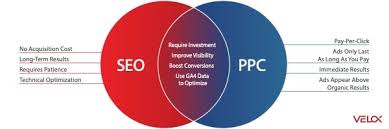
Pay Per Click and SEO: How to Use Both for Better Online Visibility
Pay per click (PPC) advertising and search engine optimisation (SEO) are two important ways to attract visitors from search engines. They are sometimes discussed together as “PPC SEO”, but they work in different ways. PPC involves paying for adverts, while SEO focuses on improving a website’s visibility in unpaid search results.
Used together, PPC and SEO can help a business reach potential customers more effectively. This guide explains how each channel works, how they differ and how to combine them as part of a search marketing strategy.
What is pay per click?
Pay per click is an online advertising model in which an advertiser pays when someone clicks on an advert. Search adverts commonly appear above or below the organic results on platforms such as Google and Microsoft Advertising.
Advertisers typically choose keywords, write adverts and set a budget. The platform then uses factors such as the bid, advert relevance and landing page experience to decide which adverts to show and where. The actual cost of a click can vary depending on the competition and other factors.
PPC can generate visibility quickly, but that visibility usually stops when the campaign is paused or the budget runs out.
What is SEO?
SEO is the process of improving a website so that search engines can understand it and users can find it through unpaid search results. It can include:
- Creating useful, relevant content
- Researching the topics and search terms that matter to customers
- Improving page titles, headings and internal links
- Making the website accessible, secure and easy to use
- Improving page speed and mobile usability
- Building the website’s credibility through reputable references and links
SEO is a long-term process. Results can take time and are not guaranteed, but well-maintained pages may continue to attract visitors without a charge for each click.
PPC and SEO: the key differences
| Feature | PPC | SEO |
|---|---|---|
| Placement | Paid advertising positions | Unpaid organic search results |
| Speed | Can start generating visibility soon after launch | Usually takes time to build momentum |
| Cost | Costs are generally incurred for clicks or campaign activity | No charge per organic click, but work and expertise require investment |
| Control | Offers direct control over budgets, targeting and advert copy | Rankings depend on many factors, including search engine systems and competitors |
| Longevity | Traffic can fall when advertising stops | Strong pages may continue to attract visitors, although rankings can change |
Does PPC improve SEO rankings?
PPC adverts do not directly improve a website’s organic rankings. Paying for search adverts does not buy a higher position in the unpaid results. The two channels are generally managed separately by search platforms.
However, PPC can support SEO work indirectly. For example, advertising can help a business test which keywords attract relevant visitors, learn which messages lead to enquiries and bring attention to a new product or page. These findings can inform content and website improvements.
How PPC and SEO can work together
Use PPC to test keyword ideas
A PPC campaign can provide early insight into how people respond to particular search terms and advert messages. Look beyond clicks: assess whether visitors make a purchase, request a quote or complete another meaningful action. Use those findings to guide SEO content planning, rather than assuming that every high-volume keyword is valuable.
Match search intent with the right landing page
Search intent is the reason behind a query. Someone searching for general advice may need an informative guide, while someone looking for a particular service may be ready to contact a provider. Align both adverts and organic pages with what the searcher is trying to achieve.
Improve landing pages using shared insights
PPC data can highlight pages with strong conversion rates, common customer questions and wording that resonates with an audience. SEO teams can use these insights to make pages clearer and more useful. Equally, SEO research can reveal topics that may be worth testing in paid campaigns.
Cover short-term and long-term needs
PPC may help promote a time-sensitive offer or provide visibility while a new website builds its organic presence. SEO can contribute to sustained discovery over time. The right balance depends on the business, its goals, its budget and how quickly it needs results.
Review how the channels affect each other
When a business appears in both paid and organic results, it may gain more opportunities to reach searchers. Measure the overall effect carefully, though. Compare performance by audience, search term, location and conversion, and avoid assuming that every paid click is additional traffic that would otherwise have been lost.
How to measure PPC and SEO performance
Choose measures that reflect business outcomes, not just visibility. Useful metrics may include:
- Qualified traffic: visits from people who match the intended audience
- Conversions: purchases, enquiries, bookings or other valuable actions
- Conversion rate: the proportion of visitors who complete an action
- Cost per acquisition: the advertising cost associated with gaining a customer or lead
- Organic visibility: impressions, clicks and rankings for relevant searches
- Revenue or lead quality: whether the traffic contributes to meaningful business results
Set up accurate analytics and conversion tracking before comparing campaigns. Take care with attribution: a customer may interact with several channels before converting, so a single report may not tell the whole story.
Common mistakes to avoid
- Expecting instant SEO results: organic visibility often takes sustained work and can fluctuate.
- Treating clicks as success: traffic is only valuable when it supports a relevant goal.
- Sending every visitor to the same page: landing pages should reflect the search query and the advert or result.
- Ignoring mobile users: pages should be clear and usable on smaller screens.
- Using PPC data without context: results depend on factors such as location, seasonality, competition and campaign settings.
- Assuming PPC and SEO are interchangeable: they have different costs, timelines and strengths.
Is PPC or SEO right for your business?
PPC may suit businesses that need targeted visibility quickly, want to test an offer or have a clear budget for advertising. SEO may be a good fit for organisations willing to invest in a website and content that can attract relevant search traffic over the longer term.
Many businesses benefit from using both, provided each channel has a clear purpose and its performance is measured properly. A practical plan might use PPC to test demand and support immediate campaigns, while SEO builds helpful pages and improves the website’s visibility over time.
Frequently asked questions
Is “PPC SEO” a type of marketing?
The phrase is often used to describe PPC and SEO together. They are separate search marketing channels, but businesses can plan and manage them as part of a wider strategy.
Which is cheaper: PPC or SEO?
There is no universal answer. PPC requires an advertising budget and may generate costs for clicks. SEO does not charge for each organic click, but it requires time, expertise and ongoing work. Compare the cost with the quality and value of the customers each channel brings.
Should a new business use PPC or SEO first?
That depends on its goals and resources. PPC can provide a faster route to paid visibility, while SEO helps establish a foundation for organic discovery. A new business may use a limited PPC campaign to test demand while developing useful, well-structured website content.
Conclusion
PPC and SEO both help businesses reach people through search, but they do so in different ways. PPC buys advertising visibility, while SEO aims to earn visibility in organic results. Neither guarantees success on its own. By understanding search intent, creating relevant landing pages and measuring meaningful outcomes, businesses can use both channels more effectively.
Six Advantages of Pay-Per-Click SEO: Boosting Traffic, Visibility, and Measurable Performance
- Drives targeted website traffic
- Delivers quick campaign visibility
- Helps test valuable keywords
- Supports data-led content planning
- Complements long-term organic growth
- Performance is measurable
Challenges of Pay Per Click SEO: Rising Costs, Traffic Fluctuations, Delayed Results, Competitive Expenses, and Expertise Demands
- PPC costs can rise quickly.
- Traffic may stop when ads pause.
- SEO results can take time.
- Competition can make clicks expensive.
- Managing both channels takes expertise.
Drives targeted website traffic
One of the key benefits of pay per click (PPC) is its ability to drive targeted traffic to your website. By choosing relevant keywords and refining settings such as location, audience and device, you can show adverts to people who are more likely to be interested in your products or services. This helps attract visitors with a clear intent, rather than simply increasing overall traffic.
Delivers quick campaign visibility
One of the key benefits of pay per click (PPC) advertising is that it can deliver campaign visibility quickly. Once an advert is approved and the campaign is live, it may appear in relevant search results without waiting for the time it can take to build organic visibility through SEO. This makes PPC useful for promoting a new product, supporting a seasonal offer or reaching potential customers while longer-term SEO work develops.
Helps test valuable keywords
PPC can help businesses test which keywords are most valuable before investing in long-term SEO work. By running targeted adverts, you can see which search terms attract relevant visitors and lead to enquiries or sales—not just clicks. These insights can then guide your SEO content and keyword priorities, helping you focus on searches that are more likely to support your business goals.
Supports data-led content planning
PPC can support data-led content planning by showing which search terms, advert messages and landing pages attract relevant visitors and lead to meaningful actions. These insights can help identify what potential customers are looking for, allowing you to prioritise useful topics and shape SEO content around real audience behaviour. While PPC results are not a guarantee of organic performance, they can provide a valuable starting point for testing ideas and refining your content strategy.
Complements long-term organic growth
Pay per click (PPC) can complement long-term organic growth by delivering targeted visibility while SEO gains momentum. Paid campaigns can attract visitors and generate useful insights into search terms, adverts and landing pages, helping businesses refine their organic strategy. Together, PPC and SEO can support immediate results and build a stronger, more sustainable presence in search.
Performance is measurable
One of the key advantages of combining pay per click (PPC) and SEO is that performance is measurable. Analytics tools can track how many people see or click on an advert or organic search result, what they do on the website and whether they complete a valuable action, such as making a purchase or submitting an enquiry. These insights help businesses understand which keywords, campaigns and pages are delivering results, so they can refine their approach and make better-informed decisions about their marketing budget.
PPC costs can rise quickly.
One drawback of pay per click (PPC) is that costs can rise quickly, particularly when competition for popular keywords is high. Each click adds to your advertising spend, and if visitors do not become customers or leads, the campaign may deliver poor value. Without clear budget limits and regular monitoring, it can be easy to spend more than planned.
Traffic may stop when ads pause.
One drawback of pay per click (PPC) advertising is that the traffic it generates may stop as soon as your ads are paused or your budget runs out. Unlike SEO, which can continue to attract visitors through organic search results over time, PPC depends on ongoing spend to maintain visibility. This means businesses need to plan their budgets carefully and avoid relying on paid ads as their only source of website traffic.
SEO results can take time.
One drawback of combining pay-per-click advertising with SEO is that SEO results can take time to appear. While PPC can bring visitors to your website soon after a campaign launches, improving organic rankings often requires consistent work on content, technical performance and website authority. This means businesses may need to wait months to see meaningful growth from SEO, so it’s important to set realistic expectations and plan for the longer term.
Competition can make clicks expensive.
Competition can make clicks expensive
When several businesses bid on the same popular keywords, competition can drive up the cost of each click. This may make PPC less cost-effective, particularly for smaller businesses or campaigns with limited budgets. To manage costs, target more specific search terms, refine audience settings and regularly review whether clicks are leading to valuable enquiries or sales.
Managing both channels takes expertise.
Managing PPC and SEO together takes specialist knowledge, as each channel requires different skills, tools and ongoing attention. PPC campaigns need careful budget control, audience targeting and testing, while SEO involves content planning, technical improvements and monitoring organic performance. Without the right expertise, businesses may waste advertising spend, miss opportunities to improve search visibility or struggle to understand how the two channels contribute to results.
Leave a Reply