
SEO and Search Engine Marketing: A Practical Guide to Growing Online
When people need a product, service or answer, they often begin with a search engine. Appearing prominently in those results can help a business reach potential customers at the moment they are looking for something relevant. Search engine optimisation (SEO) and search engine marketing (SEM) are two important ways to make that happen.
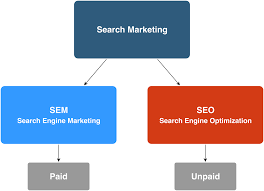
Although the terms are sometimes used interchangeably, they describe different approaches. SEO focuses on improving visibility in unpaid search results, while SEM is often used to describe paid search advertising. In its broader sense, SEM can include both paid and organic search activity. This article uses the narrower, common definition of SEM as paid search marketing.
What is SEO?
SEO is the process of improving a website so that it can be discovered more easily in organic search results. It involves helping search engines understand a site’s content and making that content useful, relevant and accessible to people.
SEO is not simply about adding keywords to a page. Effective optimisation combines several areas:
- Technical SEO: Improving aspects such as site speed, mobile usability, crawlability, secure connections and the way pages are organised.
- On-page SEO: Creating clear page titles, headings and content that address the needs behind a search query.
- Content: Publishing accurate, helpful material that demonstrates knowledge and answers users’ questions.
- Off-page SEO: Building the site’s reputation through relevant links, mentions and other signs of trust.
- Local SEO: Helping a business appear in searches with local intent, such as “plumber near me” or “café in Bristol”.
What is search engine marketing?
Search engine marketing commonly refers to paid advertising on search engine results pages. Businesses can bid to show adverts for selected search terms, usually through platforms such as Google Ads or Microsoft Advertising.
Paid search campaigns can be targeted by keyword, location, device, audience and other factors. Advertisers typically pay when someone clicks an advert, although campaign costs and billing options depend on the platform and campaign type. The advert’s position and performance may be affected by the bid, its relevance and the quality of the landing page.
SEO and SEM: the key differences
The main difference is how visibility is earned. SEO aims to improve a website’s unpaid rankings over time. Paid search uses advertising budgets to gain visibility in sponsored placements.
- Timing: Paid search can begin generating visibility soon after a campaign is approved. SEO usually takes longer, as improvements depend on competition, the website and search engine processes.
- Cost: Paid campaigns require an ongoing advertising budget. SEO does not require payment for each organic click, but it does involve investment in expertise, content and website improvements.
- Longevity: An advert may stop appearing when a campaign pauses or its budget runs out. Strong organic visibility can continue to attract visitors, although rankings need ongoing attention.
- Control: Paid search offers direct control over budgets, targeting and ad messaging. Organic rankings are influenced by many factors and cannot be purchased or guaranteed.
- Purpose: Paid search can be useful for immediate promotion or testing. SEO can build sustained visibility and help a website become a trusted source in its field.
Why combine SEO and paid search?
SEO and paid search can support one another. A business does not always need to choose between them; the right balance depends on its goals, budget, competition and timescale.
Paid campaigns can provide quick data about which search terms attract clicks and enquiries. That information may help inform SEO content planning. Meanwhile, strong organic pages can support paid campaigns by providing relevant, useful landing-page experiences.
Using both approaches can also increase a brand’s visibility on a results page. However, appearing in both paid and organic listings does not automatically guarantee more clicks or sales. Performance should be measured against business outcomes, not visibility alone.
How to build an effective search strategy
- Set clear objectives. Decide whether the priority is increasing enquiries, online sales, visits to a local shop, brand awareness or another measurable outcome.
- Understand your audience. Find out what potential customers search for, what questions they ask and what information they need before making a decision.
- Research search terms. Look at relevance, search intent, competition and potential value. A high-volume keyword is not necessarily the best choice if it attracts the wrong audience.
- Improve the website. Make sure important pages are accessible, fast, easy to use on mobile devices and focused on a clear purpose.
- Create useful content. Answer genuine questions with original, well-structured information. Avoid writing pages solely to repeat keywords.
- Plan paid campaigns carefully. Choose relevant keywords, write clear adverts, set sensible budgets and send visitors to pages that match the advert’s promise.
- Measure and refine. Review results regularly, identify what is working and adjust pages or campaigns based on evidence.
How to measure performance
Useful metrics depend on the objective. Organic search performance can be assessed through relevant search visibility, organic visits, engagement, leads and sales. For paid search, useful measures may include impressions, clicks, click-through rate, cost per click, conversions and return on advertising spend.
It is important to look beyond rankings and traffic. A page can attract many visitors without contributing to business goals. Conversion tracking and clear reporting help show whether search activity is producing meaningful results.
Common mistakes to avoid
- Expecting SEO to produce immediate results or assuming paid advertising will be profitable without testing.
- Targeting broad search terms that do not match the business’s products, services or audience.
- Sending paid traffic to a page that is slow, confusing or unrelated to the advert.
- Publishing thin or repetitive content that offers little value to readers.
- Ignoring mobile users, local search opportunities or the technical health of the website.
- Making decisions based on clicks alone instead of leads, sales or other relevant outcomes.
Conclusion
SEO and search engine marketing can both help a business connect with people who are actively searching. SEO is a longer-term investment in organic visibility, while paid search can provide more immediate, targeted exposure. A considered strategy uses the right mix of both, prioritises useful experiences for visitors and measures success against clear objectives.
8 Essential Tips for Effective SEO and Search Engine Marketing
- Research keywords your audience actually uses.
- Write clear, useful titles and meta descriptions.
- Create helpful content that answers searchers’ questions.
- Make your website fast and mobile-friendly.
- Use descriptive headings and internal links.
- Set up conversion tracking before running ads.
- Test ad copy and landing pages regularly.
- Review search performance and refine your strategy.
Research keywords your audience actually uses.
Research the keywords your audience actually uses by considering the questions, problems and phrases they enter into search engines. Use keyword research tools, search suggestions and customer feedback to discover relevant terms, then consider the intent behind each search. Choosing phrases that match your audience’s needs can help you create more useful content, improve organic visibility and target paid search adverts more effectively.
Write clear, useful titles and meta descriptions.
Write clear, useful titles and meta descriptions to help people understand what each page offers before they visit. A good title should accurately describe the page and include the main topic naturally, while a concise meta description should highlight the value of the content and encourage a relevant click. These details can improve how your pages appear in search results, but avoid misleading claims or keyword stuffing: relevance and clarity matter most.
Create helpful content that answers searchers’ questions.
Create helpful content that answers searchers’ questions clearly and accurately. Consider what your audience wants to know, then provide practical information in a well-structured, easy-to-read format. This approach can improve the experience for visitors, build trust in your business and support your SEO by making your pages more relevant to the searches you want to reach. For search engine marketing, useful content also gives paid visitors a relevant landing page that matches the promise of your advert.
Make your website fast and mobile-friendly.
Make your website fast and mobile-friendly to give visitors a better experience and support your SEO and search engine marketing efforts. Pages that load quickly and work well on smartphones make it easier for people to find information, explore your services and complete a purchase or enquiry. Check your site on different devices, compress large images, remove unnecessary features and make buttons and text easy to use on smaller screens. While speed and mobile usability alone cannot guarantee higher rankings or conversions, they can help reduce friction and make your website more effective for both organic and paid search visitors.
Use descriptive headings and internal links.
Use descriptive headings and internal links to make your website easier to navigate for both visitors and search engines. Clear headings help readers quickly find the information they need, while relevant internal links guide them to related pages and help search engines understand how your content fits together. Use concise, meaningful wording for headings and link text, and make sure every link leads to a useful, relevant page.
Set up conversion tracking before running ads.
Set up conversion tracking before launching any search advertising campaigns. It lets you see whether clicks are leading to valuable actions, such as purchases, enquiries, phone calls or sign-ups, rather than just visits to your website. With accurate data in place, you can assess which keywords and adverts are performing well, make informed changes to your budget and improve your campaigns over time. Without conversion tracking, it is much harder to judge whether your advertising is delivering a worthwhile return.
Test ad copy and landing pages regularly.
Test your ad copy and landing pages regularly to find out what best encourages people to take action. Try different headlines, descriptions and calls to action, and make sure each landing page is relevant to the advert and easy to use on mobile. Change one element at a time where possible, then compare results such as click-through rates, enquiries and sales. Ongoing testing helps you improve campaign performance and make better use of your marketing budget.
Review search performance and refine your strategy.
Reviewing search performance regularly helps you understand which SEO and search engine marketing activities are delivering meaningful results. Track relevant measures such as organic traffic, keyword visibility, advert clicks, conversions and cost per lead, then use the data to identify what is working and where improvements are needed. Refine your content, targeting, landing pages and budgets in response, while allowing enough time to assess the impact of changes. This ongoing process helps keep your strategy aligned with your business goals and changing customer behaviour.
Leave a Reply