
The Synergy Between Social Media and Search Engine Optimization
Social media and search engine optimization (SEO) are two powerful digital marketing strategies that, when combined effectively, can significantly boost your online presence and visibility. While they serve different purposes, integrating social media and SEO can amplify your marketing efforts and drive better results.
Social Media’s Impact on SEO
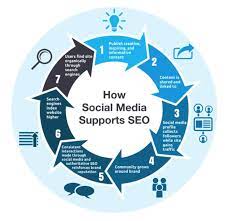
Social media platforms play a crucial role in enhancing your SEO efforts. When you share content on social media channels, such as Facebook, Twitter, LinkedIn, and Instagram, you increase the chances of your content being discovered and shared by a wider audience. This social sharing generates backlinks to your website, which is a key factor in improving your search engine rankings.
Moreover, social signals – such as likes, shares, comments, and followers – are increasingly considered by search engines when determining a website’s authority and relevance. A strong social media presence can positively impact your SEO performance by signalling to search engines that your content is valuable and engaging.
Optimising Social Media for SEO
To leverage the synergy between social media and SEO, it’s essential to optimise your social profiles for search engines. Ensure that your social media profiles are complete, consistent, and include relevant keywords related to your business or industry. This will help improve the visibility of your profiles in search engine results pages (SERPs).
Creating Engaging Content
Both social media and SEO thrive on high-quality, engaging content. By creating content that resonates with your target audience and encourages interaction on social media platforms, you can attract more followers, increase brand awareness, and drive traffic to your website. This engagement signals to search engines that your content is valuable and trustworthy.
Measuring Performance
Monitoring the performance of your social media campaigns and SEO efforts is crucial for determining their effectiveness. Use analytics tools to track key metrics such as website traffic from social media channels, engagement rates, keyword rankings, backlinks generated from social shares, and overall search engine visibility.
In Conclusion
In conclusion, integrating social media with SEO can enhance your digital marketing strategy by increasing brand visibility, driving traffic to your website, improving search engine rankings, and ultimately boosting conversions. By leveraging the power of both channels in a cohesive manner, you can maximise the impact of your online marketing efforts and achieve sustainable growth for your business.
Exploring the Synergy Between Social Media and SEO: Top 9 FAQs
- What is the relationship between social media and search engine optimization?
- How does social media impact search engine rankings?
- What are the benefits of integrating social media and SEO in digital marketing?
- How can social media platforms be optimised for better SEO performance?
- What role do backlinks from social media play in SEO?
- Why is engaging content important for both social media and SEO strategies?
- Which analytics tools can be used to measure the performance of social media and SEO campaigns?
- How can businesses effectively track website traffic from social media channels?
- What are some best practices for leveraging the synergy between social media and search engine optimization?
What is the relationship between social media and search engine optimization?
The relationship between social media and search engine optimization (SEO) is symbiotic, as they complement each other in enhancing online visibility and engagement. Social media platforms serve as valuable channels for promoting content, increasing brand awareness, and driving traffic to websites. When users engage with content on social media by sharing, liking, or commenting, it generates social signals that can positively impact SEO rankings. Search engines consider these social signals as indicators of content relevance and authority, thus influencing a website’s search engine performance. By integrating social media strategies with SEO practices, businesses can amplify their online presence, attract a wider audience, and improve their overall digital marketing effectiveness.
How does social media impact search engine rankings?
The impact of social media on search engine rankings is a common question in the realm of digital marketing. Social media can influence search engine rankings in several ways. When content is shared, liked, and commented on across social media platforms, it can generate valuable backlinks to a website. These backlinks signal to search engines that the content is popular and relevant, which can positively impact its ranking in search results. Additionally, social signals such as engagement metrics (likes, shares, comments) are increasingly considered by search engines when evaluating a website’s authority and credibility. A strong social media presence can help boost visibility and enhance the overall SEO performance of a website.
What are the benefits of integrating social media and SEO in digital marketing?
Integrating social media and SEO in digital marketing offers a multitude of benefits for businesses seeking to enhance their online presence and reach a wider audience. By combining these two powerful strategies, companies can boost their brand visibility, drive more traffic to their website, improve search engine rankings, and increase engagement with their target audience. Social media platforms provide an avenue for sharing content that can generate valuable backlinks to websites, while social signals such as likes and shares can positively influence search engine algorithms. This integration not only amplifies marketing efforts but also helps in building a strong online presence and establishing credibility in the digital landscape.
How can social media platforms be optimised for better SEO performance?
To optimise social media platforms for better SEO performance, it is essential to focus on key elements such as profile completeness, keyword relevance, and engagement metrics. Start by ensuring that your social media profiles are fully filled out with accurate information about your business or brand. Incorporate relevant keywords in your profile descriptions, posts, and hashtags to improve visibility in search engine results. Encourage user engagement through likes, shares, comments, and followers, as these social signals can positively impact your SEO rankings. Regularly posting high-quality content that resonates with your audience and drives traffic to your website can also boost your overall SEO performance on social media platforms.
What role do backlinks from social media play in SEO?
Backlinks from social media platforms play a significant role in SEO by contributing to a website’s authority and search engine rankings. When content shared on social media generates backlinks to a website, it indicates to search engines that the content is valuable and relevant. These backlinks act as signals of credibility and trustworthiness, which can positively impact a website’s SEO performance. Additionally, social signals such as likes, shares, and comments also influence search engine algorithms, further emphasising the importance of integrating social media into an effective SEO strategy.
Why is engaging content important for both social media and SEO strategies?
Engaging content plays a pivotal role in both social media and SEO strategies due to its ability to captivate and resonate with the target audience. In the realm of social media, engaging content encourages likes, shares, comments, and overall interaction, thereby increasing brand visibility, fostering community engagement, and driving traffic to the website. On the SEO front, compelling content that is relevant, informative, and valuable not only attracts users but also signals search engines about the credibility and authority of the website. By consistently producing engaging content that meets the needs and interests of the audience, businesses can enhance their online presence, improve search engine rankings, and ultimately achieve sustainable growth in the digital landscape.
Which analytics tools can be used to measure the performance of social media and SEO campaigns?
When it comes to measuring the performance of social media and SEO campaigns, there are several analytics tools available that can provide valuable insights. For social media, popular tools such as Hootsuite, Buffer, Sprout Social, and Google Analytics can help track key metrics like engagement rates, follower growth, click-through rates, and social referral traffic. On the other hand, for SEO campaigns, tools like Google Analytics, SEMrush, Moz Pro, Ahrefs, and Screaming Frog are commonly used to monitor website traffic, keyword rankings, backlink profiles, and overall search engine visibility. By utilising these analytics tools effectively, businesses can gain a comprehensive understanding of their campaign performance and make data-driven decisions to optimise their digital marketing strategies.
How can businesses effectively track website traffic from social media channels?
To effectively track website traffic from social media channels, businesses can utilise various tools and techniques. One common method is to implement web analytics platforms like Google Analytics, which provide detailed insights into the sources of website traffic, including social media referrals. By setting up tracking parameters and goals within these tools, businesses can monitor the performance of their social media campaigns, track user engagement, and measure conversions originating from social channels. Additionally, using URL shorteners with tracking capabilities can help attribute specific traffic to individual social media posts or campaigns, allowing businesses to assess the effectiveness of their social media efforts in driving website visits. Regular monitoring and analysis of these metrics enable businesses to make informed decisions and optimise their social media strategies for better results.
What are some best practices for leveraging the synergy between social media and search engine optimization?
When seeking to optimise the synergy between social media and search engine optimization, there are several best practices to consider. Firstly, ensure that your social media profiles are fully optimised with relevant keywords and consistent branding to enhance search engine visibility. Encourage social sharing of your content to generate valuable backlinks and increase online engagement, which can positively impact SEO performance. Consistently create high-quality, shareable content that resonates with your audience across both social media and website platforms. Monitoring key metrics such as traffic sources, engagement rates, and keyword rankings is essential for evaluating the effectiveness of your integrated strategy. By following these best practices, you can maximise the benefits of combining social media and SEO efforts to boost your online presence and drive sustainable growth for your business.
Leave a Reply