
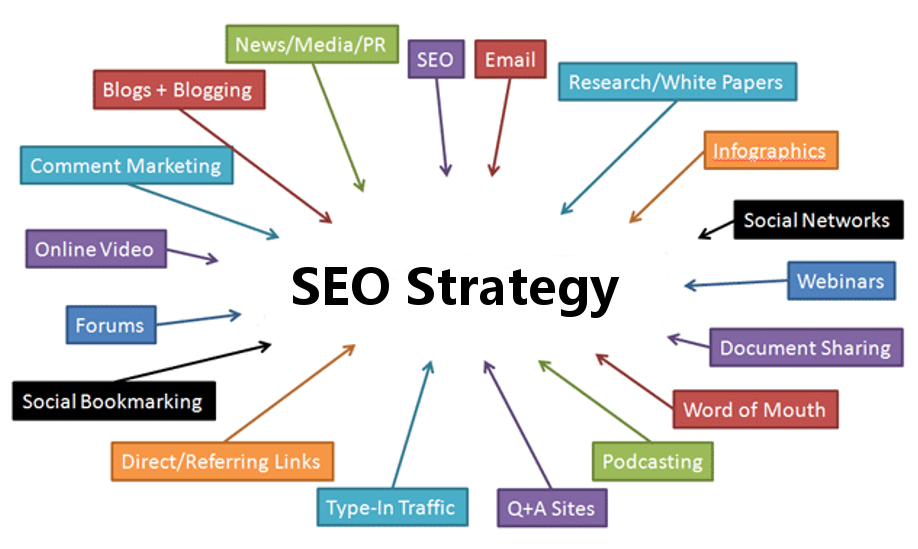
SEO Marketing on the Internet: A Practical Guide for Businesses
For many businesses, the internet is where customers discover products, compare services and decide whom to trust. Search engine optimisation (SEO) helps a website appear in relevant search results, making it easier for potential customers to find useful information and take the next step.
SEO marketing is not simply about adding keywords to a webpage. It combines helpful content, sound website performance and a clear understanding of what people are looking for. When these elements work together, a business can build a stronger online presence and attract visitors who are genuinely interested in its services.
What is SEO marketing?
SEO marketing is the practice of improving a website so that search engines can understand it and people can find it through relevant searches. It includes activities such as researching search terms, creating useful pages, improving site navigation and earning links from reputable websites.
SEO differs from paid search advertising. With paid advertising, a business pays to display adverts, often for a set period or budget. SEO focuses on improving a website’s visibility in organic search results. It usually takes time and ongoing effort, but it can support long-term discovery when managed well.
Why SEO matters for internet marketing
A well-planned internet marketing strategy can include social media, email, advertising and other channels. SEO supports these efforts by helping people find a business while they are actively searching for answers, products or services.
- Greater visibility: Relevant pages have a better opportunity to appear when people search for related topics.
- More relevant visitors: Content that matches a searcher’s needs can attract people with a genuine interest in the business.
- A better website experience: Many SEO improvements, such as clearer navigation and faster loading, also help visitors use a site.
- Long-term value: Useful pages can continue to attract visitors after publication, although rankings and traffic are never guaranteed.
The main parts of an effective SEO strategy
Understand your audience and search intent
Begin by identifying the people a business wants to reach and the questions they are likely to ask. Search intent is the reason behind a search. Someone looking for “how to choose a web designer” may want guidance, while someone searching for “web design agency near me” may be ready to contact a provider.
Understanding this difference helps businesses create pages that meet the needs of visitors rather than simply repeating popular search terms.
Research keywords naturally
Keyword research reveals the language people use when searching online. It can help shape page topics, headings and explanations. However, keywords should fit naturally into clear, useful writing. Repeating phrases unnaturally can make content difficult to read and may undermine trust.
It is often more useful to create a focused page for a specific subject than to try to cover many unrelated topics on one page.
Create helpful, original content
Good SEO content answers real questions and gives readers a reason to stay on the page. Depending on the business, this might include service descriptions, practical guides, product information, case studies or answers to frequently asked questions.
Content should be accurate, easy to understand and kept up to date. It should also make clear what the business offers and what visitors can do next, whether that is requesting a quote, booking a consultation or reading another guide.
Improve on-page SEO
On-page SEO helps both visitors and search engines understand each page. Useful practices include:
- Writing a distinct, descriptive page title.
- Using clear headings to organise information.
- Writing a concise meta description that accurately summarises the page.
- Using descriptive URLs where practical.
- Adding meaningful alternative text to informative images.
- Linking to related pages on the same website.
These details should describe the page honestly. They are not a substitute for useful content or a well-organised website.
Make the website easy to use
Technical SEO covers aspects of a website that affect how it can be accessed, explored and understood. Pages should load reliably, work well on mobile devices and use secure connections. Navigation should be straightforward, and important content should be easy to find.
Technical issues can be complex, so larger websites may benefit from a technical review. For smaller sites, regular checks of broken links, page speed and mobile usability can be a practical starting point.
Build credibility and relevant links
Links from other websites can help people discover a business and provide useful context about its reputation. The strongest approach is to earn relevant links through genuinely valuable resources, partnerships, professional activity or worthwhile coverage.
Buying links or using schemes designed to manipulate search rankings can create risks. A sustainable strategy prioritises credibility and relevance over the number of links alone.
Measuring SEO performance
SEO should be reviewed regularly. Useful measures may include organic visits, search impressions, clicks, enquiries, sales and the performance of individual landing pages. The right measures depend on the business’s goals.
Rankings can fluctuate, so they should not be treated as the only sign of success. A page that attracts fewer visitors but generates relevant enquiries may be more valuable than one that receives large amounts of untargeted traffic.
Common SEO mistakes to avoid
- Writing primarily for search engines instead of people.
- Using the same page content across multiple URLs.
- Choosing keywords without considering what searchers actually want.
- Ignoring mobile users or slow-loading pages.
- Expecting immediate results from a long-term marketing activity.
- Making promises of guaranteed rankings or traffic.
Getting started with SEO marketing
A practical starting point is to review the website from a visitor’s perspective. Check whether the main services are clear, whether important pages are easy to find and whether the content answers common customer questions. Then identify a small number of priority topics and improve the relevant pages.
SEO is an ongoing part of internet marketing rather than a one-off task. Search behaviour, business priorities and website content change over time. By focusing on useful information, a positive user experience and consistent measurement, businesses can build a more discoverable and trustworthy online presence.
Essential FAQs About SEO Marketing on the Internet
- What is SEO in online marketing?
- What is SEO marketing for beginners?
- How to use SEO in online marketing?
- How can SEO be used in marketing?
- What is SEO in simple terms?
- What is SEO & How it works?
- What is difference between SEO and online marketing?
- What is SEO in Google?
- How is SEO used as a marketing tool?
- What is SEO in Web marketing?
- What is marketing and SEO?
- How is SEO used in marketing?
- What is SEO marketing and how it works?
- What are the 3 types of SEO?
- What is an SEO in marketing?
- What is SEO and how it will work?
- What is SEO in marketing?
- Why is SEO important in Internet marketing?
- What is SEO and how it works?
- How much does SEO cost in the UK?
- What is SEO process in marketing?
- How is SEO used in digital marketing?
- What are the 7 types of SEO?
What is SEO in online marketing?
SEO, or search engine optimisation, is the process of improving a website so that it is easier for search engines to understand and more likely to appear in relevant organic search results. In online marketing, SEO involves creating useful content, using relevant search terms naturally, improving website speed and mobile usability, and making pages easy to navigate. The aim is to help people find the information, products or services they need and encourage meaningful visits to your website.
What is SEO marketing for beginners?
SEO marketing for beginners is the practice of improving a website so it is easier for people to find through unpaid search results. It starts with understanding what your audience is searching for, then creating useful content that answers their questions and using relevant search terms naturally. Beginners should also make sure their website is easy to navigate, works well on mobile devices and loads reliably. SEO takes time, so it is best to monitor results regularly and keep improving the site rather than expecting immediate rankings.
How to use SEO in online marketing?
Use SEO in online marketing by making your website easy to find, understand and use. Start by researching the terms your audience searches for, then create useful, original content that answers their questions and reflects their search intent. Optimise page titles, headings, descriptions and internal links, while ensuring the site loads quickly and works well on mobile devices. Track organic visits, enquiries and sales to see what is working, then update your approach over time. SEO is most effective as part of a wider strategy that may also include social media, email and paid advertising.
How can SEO be used in marketing?
SEO can be used in marketing to help potential customers find your business when they search online for relevant products, services or information. By researching the terms people use, creating useful content, improving website structure and performance, and earning links from reputable websites, you can increase your visibility in organic search results. SEO works best as part of a wider marketing strategy, supporting other channels and helping attract relevant visitors over time.
What is SEO in simple terms?
SEO, or search engine optimisation, is the process of improving a website so it is easier to find in search engines such as Google. In simple terms, it helps the right people discover your website when they search online for information, products or services you offer.
What is SEO & How it works?
SEO (search engine optimisation) is the process of improving a website so that it is easier for search engines such as Google to understand and show in relevant search results. It works by combining helpful, relevant content with a well-organised, technically sound website and signals of credibility, such as links from reputable sites. These factors can help search engines match pages to people’s searches. SEO takes time, and rankings are not guaranteed, but regular improvements can help attract more relevant visitors.
What is difference between SEO and online marketing?
SEO (search engine optimisation) is one part of online marketing: it focuses on improving a website’s visibility in unpaid search results through useful content, technical improvements and relevant links. Online marketing is a broader term that includes SEO as well as paid advertising, social media, email marketing, content marketing and other ways of reaching people on the internet. In short, SEO helps potential customers find a website through search engines, while online marketing covers the wider range of digital channels a business can use to attract and engage them.
What is SEO in Google?
SEO in Google is the process of improving a website so Google can understand its content and show relevant pages in unpaid search results. It involves creating useful, trustworthy content, making the site easy to navigate and use on mobile devices, and ensuring pages load and work properly. SEO can help people discover a website when they search for related information, products or services, but rankings and results are not guaranteed.
How is SEO used as a marketing tool?
SEO is used as a marketing tool to help a website appear in search results when people look for relevant products, services or information. By researching search terms, creating useful content and improving a site’s structure, speed and mobile usability, businesses can attract more relevant organic traffic without paying for every click. SEO can also strengthen brand visibility and trust, while analytics help measure visits, enquiries and sales so the strategy can be refined over time.
What is SEO in Web marketing?
SEO, or search engine optimisation, is the process of improving a website so it is easier for search engines to understand and more likely to appear in relevant unpaid search results. In web marketing, this can involve creating useful content, using relevant search terms naturally, improving page titles and site structure, making the website fast and mobile-friendly, and earning links from reputable websites. The aim is to help the right people find a business online and give them a helpful experience once they arrive.
What is marketing and SEO?
Marketing is the process of promoting a business, product or service to reach and engage potential customers. SEO, or search engine optimisation, is one part of digital marketing: it involves improving a website and its content so that people can find it more easily in organic search results. Together, marketing and SEO can help businesses build awareness, attract relevant visitors and encourage them to take action.
How is SEO used in marketing?
SEO is used in marketing to help a website appear in search results when potential customers look for relevant information, products or services. It involves researching search terms, creating useful content, improving a website’s structure and performance, and building its credibility through relevant links. By attracting visitors who are already interested in a topic, SEO can support brand awareness, enquiries and sales. Businesses monitor results such as organic traffic and conversions to understand what is working and refine their strategy over time.
What is SEO marketing and how it works?
SEO marketing is the practice of improving a website so it is more likely to appear in relevant, unpaid search results. It works by helping search engines crawl and understand a site, then making its pages useful and accessible to both search engines and visitors. This can involve creating helpful content, using relevant search terms naturally, improving page speed and mobile usability, organising the site clearly and earning links from reputable websites. SEO takes time, and results are not guaranteed, but regular monitoring and improvements can help attract more relevant visitors over the long term.
What are the 3 types of SEO?
The three main types of SEO are on-page, off-page and technical SEO. On-page SEO focuses on the content and elements within your website, such as headings, keywords and internal links. Off-page SEO involves building your website’s reputation beyond its own pages, often through relevant backlinks and brand mentions. Technical SEO improves how search engines access and understand your site, including its speed, mobile usability, security and structure.
What is an SEO in marketing?
In marketing, SEO stands for search engine optimisation: the process of improving a website so it is easier to find in relevant, unpaid search results. It involves creating useful content, using relevant search terms naturally, improving website structure and performance, and building credibility online. An SEO may also refer to a professional who plans and carries out this work.
What is SEO and how it will work?
SEO (search engine optimisation) is the process of improving a website so that it is easier for search engines to find, understand and show in relevant search results. It works by helping search engines crawl and index your pages, while using useful content, relevant search terms, clear site structure and good technical performance to demonstrate how well each page matches what people are looking for. SEO can help attract more relevant visitors over time, but results are not instant or guaranteed.
What is SEO in marketing?
SEO, or search engine optimisation, is the process of improving a website so it is more likely to appear in relevant unpaid search results. In marketing, it helps businesses reach people who are actively looking for information, products or services by combining useful content, relevant search terms, a well-organised website and a positive user experience. SEO can support long-term online visibility, although results take time and are not guaranteed.
Why is SEO important in Internet marketing?
SEO is important in internet marketing because it helps people find your website when they search online for products, services or information relevant to your business. By improving your visibility in organic search results, SEO can attract more relevant visitors, build trust and support enquiries or sales over time. It also encourages a better website experience through clear content, easy navigation and mobile-friendly pages. Unlike paid advertising, SEO does not require payment for every click, although it takes ongoing work and results are not guaranteed.
What is SEO and how it works?
SEO (search engine optimisation) is the process of improving a website so that it is easier for search engines and people to understand and find. Search engines discover pages by crawling the web, add information about them to their index, and use automated systems to decide which pages are most relevant to a search. SEO helps by creating useful, well-organised content, using relevant search terms naturally, improving site speed and mobile usability, and making pages easy to navigate. These efforts can improve a website’s visibility in unpaid search results over time, although rankings are not guaranteed and results can take time.
How much does SEO cost in the UK?
The cost of SEO in the UK varies depending on your website, industry, competition and the work required. As a general guide, ongoing services may cost a few hundred pounds a month for a small business, while more competitive campaigns or larger websites can cost several thousand pounds a month. One-off services, such as an SEO audit, are priced separately. Ask providers for a clear breakdown of deliverables, reporting and fees, and be cautious of guarantees of specific rankings or instant results.
What is SEO process in marketing?
The SEO process in marketing is a series of steps to improve a website’s visibility in organic search results. It typically begins with researching the audience, relevant search terms and competitors, then reviewing the website’s content and technical performance. Next, marketers optimise existing pages, create useful content and improve site navigation and mobile usability. They may also build the website’s credibility by earning relevant links from trusted sources. Finally, they monitor traffic, rankings and enquiries, using the results to refine the strategy over time.
How is SEO used in digital marketing?
SEO is used in digital marketing to help a website appear in relevant organic search results and attract people who are actively looking for related information, products or services. It involves researching search terms, creating useful content, improving page structure and website performance, and building the site’s credibility. By bringing more relevant visitors to a website, SEO can support wider marketing goals such as increasing brand awareness, enquiries and sales.
What are the 7 types of SEO?
The seven commonly recognised types of SEO are on-page SEO, which improves individual webpages; off-page SEO, which builds authority through reputable links and mentions; technical SEO, which helps search engines crawl and index a website; local SEO, which helps businesses appear in location-based searches; e-commerce SEO, which optimises online shops and product pages; content SEO, which focuses on creating useful, relevant material; and international SEO, which helps websites reach audiences in different countries or languages. These categories can overlap, and the exact list may vary depending on how SEO is defined.
Leave a Reply