
Ecommerce SEO Marketing: A Practical Guide to Growing Your Online Shop
Ecommerce SEO marketing helps online shops attract potential customers from search engines such as Google. By improving your website’s content, structure and technical performance, you can make it easier for search engines to understand your products—and easier for shoppers to find them.
Unlike paid advertising, organic search does not usually stop bringing visitors the moment a campaign budget runs out. However, SEO takes time, requires regular attention and cannot guarantee specific rankings. A considered strategy can help build long-term visibility, qualified traffic and sales.
Why SEO matters for ecommerce
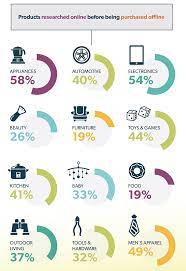
People often use search engines when researching products or looking for somewhere to buy. Queries such as “waterproof walking boots” or “ceramic coffee mugs” can reveal a clear interest in a particular product category. If your shop appears for relevant searches, you have an opportunity to reach customers at the moment they are looking for what you offer.
Ecommerce SEO can support your wider marketing activity by helping you:
- Increase visibility for product and category searches.
- Attract visitors with a genuine interest in your products.
- Make product information easier to discover and understand.
- Improve the usability and performance of your website.
- Build trust through helpful content and clear product details.
Start with search intent and keyword research
Keyword research is not simply a matter of finding popular phrases. It involves understanding what a person wants to do when they search. Someone searching for “best running shoes for beginners” may be comparing options, while someone searching for a specific model and size may be ready to buy.
Group relevant search terms by intent and match them to suitable pages. Product pages are usually best for specific items, while category pages can target broader product groups. Informational searches may be better answered with buying guides, FAQs or advice articles.
Use a mixture of research methods, including search suggestions, competitor analysis, customer questions and keyword tools. Look for terms that accurately describe your products and that your target customers are likely to use. Avoid choosing keywords solely because they have high search volumes.
Optimise product and category pages
Product and category pages are central to ecommerce SEO. Each page should have a clear purpose and provide enough information for both shoppers and search engines.
Write useful product descriptions
Describe what the product is, who it is for and what makes it useful. Include important details such as materials, dimensions, compatibility, care instructions and available options. Original descriptions are preferable to manufacturer copy, which may be repeated across many retail websites.
Write naturally for customers rather than repeating the same keyword in every sentence. Clear, accurate information is more valuable than awkwardly forcing search phrases into the page.
Improve titles and headings
Page titles should describe the product or category clearly and distinguish the page from others on your site. Headings can help visitors scan the information and understand how the page is organised. Keep both accurate and readable, and avoid making promises that the product cannot support.
Use high-quality images
Product photography helps customers assess what they are buying. Use clear images from multiple angles where appropriate, and add descriptive alternative text for people using assistive technology. Compress image files and use suitable dimensions to help pages load efficiently.
Make product information easy to compare
Where relevant, include price, stock availability, delivery details, sizing, returns information and product specifications. Keep this information consistent with what appears elsewhere on your website and in any product feeds you use.
Build a clear site structure
A well-organised website helps visitors move between products and helps search engines discover important pages. Group related products into logical categories, use descriptive navigation labels and provide links between relevant pages.
Keep important products within a reasonable number of clicks from the homepage. Breadcrumb navigation can show shoppers where they are and make it easier to return to a broader category. Internal links from buying guides or related product pages can also help visitors discover useful items.
Pay particular attention to filters and sorting options. Ecommerce filters can create a large number of URL variations, some of which may offer little unique value in search results. Review how these URLs are handled and make sure that useful pages can be crawled and indexed while unnecessary duplicates are managed appropriately.
Take care of technical SEO
Technical SEO helps ensure that your shop can be crawled, indexed and used effectively. Important areas to review include:
- Mobile usability: Make sure pages, menus, product options and checkout work well on mobile devices.
- Page speed: Optimise images, limit unnecessary scripts and review hosting performance.
- HTTPS: Use a secure connection across the entire site.
- XML sitemap: Help search engines find the pages you want them to consider.
- Canonical URLs: Identify the preferred version of pages that have similar or duplicate URLs.
- Broken links and redirects: Fix links that lead nowhere and use appropriate redirects when pages move or are removed.
- Structured data: Add accurate product information where suitable, following search engine guidelines.
Technical changes can affect how search engines interpret your shop, so review them carefully—particularly after a redesign, platform migration or change to URL structure.
Create content that supports the buying journey
Not every customer is ready to purchase straight away. Helpful content can answer questions, explain product differences and give shoppers confidence as they make a decision.
Depending on your products, useful content might include buying guides, size and care advice, product comparisons, installation instructions or answers to common questions. Link this content to relevant categories and products where it genuinely helps the reader. Avoid publishing large amounts of generic content simply to target more keywords.
Use reviews and customer feedback responsibly
Genuine customer reviews can help shoppers understand how a product works in practice. They may also highlight questions or concerns that your product pages should address. Make it easy for customers to leave honest feedback, and respond professionally to concerns where appropriate.
Do not create, purchase or misrepresent reviews. Accurate, transparent feedback is more useful for customers and supports a trustworthy brand experience.
Connect SEO with the rest of your marketing
SEO is most effective when it works alongside other marketing activity. Insights from customer service, email campaigns, social media and paid search can reveal the language customers use and the questions they ask. In turn, organic search data can help identify products and topics that deserve more attention across your wider marketing.
Keep product details consistent across your website, advertising and shopping feeds. If prices, availability or delivery information differ, customers may lose confidence and campaigns may perform less effectively.
Measure progress with meaningful metrics
Rankings can be useful to monitor, but they do not tell the whole story. Review a range of measures, such as:
- Organic visits to product, category and advice pages.
- Search impressions and click-through rates.
- Organic revenue and completed purchases.
- Conversion rates and average order value.
- Pages indexed and technical issues identified.
- Engagement with key landing pages.
Use analytics and search performance tools to spot trends, then investigate what may be causing them. Results can vary by season, product availability, competition and changes in search behaviour, so assess performance over an appropriate period.
Common ecommerce SEO mistakes
- Using identical descriptions across many products.
- Creating thin category pages with little useful information.
- Allowing filter URLs to create uncontrolled duplicate pages.
- Removing discontinued products without considering useful alternatives or redirects.
- Ignoring mobile performance and page speed.
- Adding keywords unnaturally instead of writing for customers.
- Expecting immediate results or guaranteed rankings.
Conclusion
Ecommerce SEO marketing combines helpful product information, a clear website structure and sound technical foundations. Begin by understanding what customers search for, then make your key pages useful, accurate and easy to navigate. Review performance regularly and improve the areas that matter most to both shoppers and your business.
With consistent work, SEO can become a valuable part of an ecommerce marketing strategy—helping the right customers discover your shop and make informed purchasing decisions.
Unlocking the Benefits of Ecommerce SEO Marketing: Elevate Visibility and Drive Sustainable Growth
- Attracts shoppers actively searching for your products.
- Can reduce reliance on paid advertising.
- Builds visibility in organic search results.
- Improves product page discoverability.
- Supports sustainable long-term growth.
Challenges of E-commerce SEO Marketing: Navigating Delays, Competition, and Conversion Issues
- Results can take months to appear.
- Search rankings are never guaranteed.
- Competition for popular keywords is intense.
- SEO requires ongoing time and effort.
- Search engine updates can affect traffic.
- Technical fixes may require specialist skills.
- Organic traffic does not always convert into sales.
Attracts shoppers actively searching for your products.
Ecommerce SEO marketing helps your products appear when shoppers are actively searching for items like yours. By targeting relevant search terms and providing clear, useful product information, you can reach people who already have an interest in buying—making organic search a valuable way to bring qualified visitors to your online shop.
Can reduce reliance on paid advertising.
Ecommerce SEO marketing can reduce reliance on paid advertising by helping your products appear in relevant organic search results. Once pages gain visibility, they may continue attracting potential customers without a cost for every click, allowing you to diversify your marketing and make better use of your advertising budget. SEO takes time and ongoing effort, however, and works best alongside other channels rather than as a guaranteed replacement for paid campaigns.
Builds visibility in organic search results.
Ecommerce SEO marketing helps your products and category pages appear in relevant organic search results, making your shop easier for potential customers to discover. By targeting the terms people use when researching or buying products, and providing clear, useful page content, you can build visibility without relying solely on paid adverts. Results take time and are never guaranteed, but consistent optimisation can strengthen your presence in search over the long term.
Improves product page discoverability.
Ecommerce SEO marketing improves product page discoverability by helping search engines understand what each item is and when it may be relevant to a shopper’s search. Clear product titles, informative descriptions, descriptive image alt text and a logical site structure can make pages easier to find in search results. This helps potential customers discover products while researching or comparing options, bringing more relevant visitors to your online shop.
Supports sustainable long-term growth.
Ecommerce SEO marketing can support sustainable long-term growth by helping your online shop build visibility in organic search over time. Useful content, well-optimised product pages and a technically sound website can continue attracting relevant visitors beyond the length of a paid advertising campaign. As your search presence grows, you may reach more potential customers and strengthen trust in your brand, while regularly reviewing and improving your SEO helps keep that growth aligned with changing customer needs and search behaviour.
Results can take months to appear.
One drawback of ecommerce SEO marketing is that results can take months to appear. Search engines need time to discover and assess website changes, while new pages must compete with established retailers for visibility. This means improvements to rankings, traffic and sales are rarely immediate, so businesses need patience, consistent effort and realistic expectations.
Search rankings are never guaranteed.
Search rankings are never guaranteed, even when you invest in a well-planned ecommerce SEO strategy. Search engines regularly update their algorithms, competitors may improve their websites, and customer search behaviour can change, all of which can affect where your pages appear. This means your products may not reach the positions you hoped for, and SEO results can take time to develop. Regular monitoring and ongoing improvements can help, but businesses should avoid relying on rankings as a certain or immediate source of traffic and sales.
Competition for popular keywords is intense.
Competition for popular keywords can make ecommerce SEO challenging, particularly in crowded sectors where established retailers have greater budgets, stronger websites and more backlinks. New or smaller shops may struggle to appear near the top of search results, even with well-optimised pages. It can therefore take considerable time and effort to build visibility, and businesses may need to target more specific, less competitive search terms while developing useful content and a strong reputation.
SEO requires ongoing time and effort.
One drawback of ecommerce SEO marketing is that it requires ongoing time and effort. Search trends, competitors and search engine guidelines can change, so product pages, technical settings and content need regular review and updates. Tracking performance and fixing issues also takes consistent work, and results may take time to appear. For businesses with limited staff or resources, maintaining an effective SEO strategy can be challenging.
Search engine updates can affect traffic.
Search engine updates can affect ecommerce SEO traffic, sometimes causing noticeable changes in rankings and visits even when a website has not been altered. A product or category page that once performed well may become less visible as search engines adjust how they assess relevance, quality or user experience. These changes can make sales less predictable, so it is important to keep content useful, maintain strong technical foundations and monitor performance regularly. However, no SEO strategy can guarantee protection from ranking changes.
Technical fixes may require specialist skills.
Technical fixes can be one of the more challenging aspects of ecommerce SEO, as issues with site speed, indexing, redirects or structured data may require specialist knowledge. If your team lacks the right skills, diagnosing and resolving these problems can take time and may involve hiring a developer or SEO professional, adding to your costs. Changes also need to be implemented carefully, as mistakes could affect how customers use your site or how search engines access its pages.
Organic traffic does not always convert into sales.
Organic traffic does not always convert into sales. Some visitors may be researching a product, comparing prices or simply browsing, rather than being ready to buy. Others may leave because of high delivery costs, limited payment options, unclear product details or a complicated checkout. For this reason, ecommerce businesses should look beyond visitor numbers and track meaningful outcomes, such as conversion rates and revenue, while improving the shopping experience for customers.
Leave a Reply