
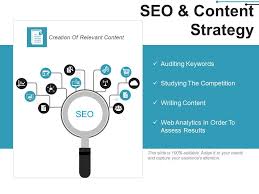
How to Build an Effective Content SEO Strategy
A strong content SEO strategy helps your website attract the right visitors through organic search. It brings together audience research, keyword planning, useful content and ongoing measurement. Rather than publishing articles simply to target popular search terms, the aim is to create pages that answer real questions and support your organisation’s goals.
Search engines change, but the fundamentals remain consistent: understand what people need, create clear and trustworthy content, and make it easy to find and use. Here’s how to build a practical strategy.
What is a content SEO strategy?
A content SEO strategy is a plan for creating, improving and organising website content so it can be discovered through search engines and help users. It connects your business objectives with the topics your audience searches for.
A well-planned strategy can help you:
- Increase relevant organic traffic.
- Build visibility and authority around important topics.
- Answer customer questions at different stages of their journey.
- Generate enquiries, sales or other meaningful actions.
Set clear objectives
Start by deciding what the content needs to achieve. “Get more traffic” is a starting point, but it is not specific enough to guide decisions. Consider whether you want to attract new audiences, increase product or service enquiries, support existing customers or grow awareness in a particular market.
Choose measurable objectives that reflect those goals. For example, you might track organic visits to a group of service pages, qualified leads from organic search, or engagement with a new resource section.
Understand your audience and search intent
Keyword research is most useful when it begins with people, not a spreadsheet. Identify your audience’s needs, questions, challenges and level of knowledge. Customer conversations, sales enquiries, support requests and site-search data can all reveal useful topics.
Next, consider the intent behind each search. A person searching for “what is content SEO” is likely looking for an explanation. Someone searching for “content SEO agency” may be comparing providers. The page should match that need: an informative guide for the first search and a clear service page for the second.
Search intent is not always obvious from a keyword alone. Review the results already appearing for a query to understand the kind of content searchers are likely to find useful.
Research and prioritise keywords
Use keyword research to discover how people describe a topic and which related questions they ask. Look beyond search volume. Relevance, competition, intent and the value of attracting that audience are just as important.
Group related searches into topics rather than creating a separate page for every minor variation. A single, comprehensive page may be able to answer several closely related queries. In other cases, separate pages are appropriate because the searches reflect different needs.
Prioritise opportunities by considering:
- Relevance: Does the topic relate to your expertise, products or services?
- Audience value: Could the visitor become a customer or benefit from your content?
- Search intent: Can you create a page that genuinely satisfies the need?
- Opportunity: Can your content offer something clearer, more useful or more complete than what is already available?
Plan content around topics and the customer journey
A content plan should cover the important questions your audience has at different stages of their decision-making journey. Early-stage content can explain a problem or introduce a topic. Later-stage content can help people compare options and make a decision.
Organise related pages into topic groups. A central guide can introduce a broad subject, while supporting pages explore specific questions in greater detail. Link these pages together where it is helpful to readers. This structure makes your content easier to navigate and helps search engines understand how the pages relate to one another.
Before creating a new page, check whether your website already has content on the subject. Improving an existing page may be more effective than publishing another one that covers the same ground.
Create useful, trustworthy content
High-quality content should solve the reader’s problem, not merely include a target keyword. Make the main answer easy to find, explain unfamiliar terms and provide enough detail for the reader to take the next step.
Use your organisation’s experience and subject knowledge to make the content distinctive. Where relevant, include practical examples, original research, expert insight or clear explanations of how a recommendation was reached. Check claims carefully and keep information up to date, especially in areas where inaccurate advice could cause harm.
Write in plain, natural language. Use descriptive headings, short paragraphs and lists where they make information easier to scan. Avoid repeating keywords unnaturally; clarity and usefulness should come first.
Optimise each page
On-page optimisation helps users and search engines understand what a page is about. For each important page, review the following:
- Title tag: Write a concise, accurate title that reflects the page’s subject.
- Main heading: Use a clear H1 that tells readers what the page covers.
- Subheadings: Organise the information logically with descriptive H2 and H3 headings.
- URL: Keep the address readable and relevant to the page.
- Introduction: Explain promptly what the page offers and who it is for.
- Images: Use relevant images and provide descriptive alternative text when appropriate.
- Internal links: Point readers to useful related pages using meaningful link text.
- Call to action: Make the next step clear, whether that is reading another guide, contacting your team or making a purchase.
These elements should accurately represent the content. Avoid promising something in a title or description that the page does not deliver.
Make content easy to access
Useful content needs a sound technical foundation. Pages should load reliably, work well on mobile devices and be accessible to people using different browsers and assistive technologies. Check that important pages can be crawled and indexed, and that navigation helps visitors find relevant information.
Technical SEO and content SEO work together. If a page is difficult to access, slow to use or disconnected from the rest of the site, even strong writing may struggle to perform.
Measure performance and improve
SEO results take time, so review performance regularly rather than judging a page on its first few days. Use tools such as Google Search Console and web analytics to understand how pages are discovered and what visitors do next.
Useful measures may include:
- Organic impressions, clicks and click-through rate.
- Search queries and average ranking trends.
- Engaged visits to priority pages.
- Enquiries, sales or other conversions from organic traffic.
- Internal link activity and movement between related pages.
Look for patterns, not just individual ranking changes. If a page receives impressions but few clicks, its search result may need clearer wording. If visitors arrive but do not take the expected next step, the page may not match their intent or make that step obvious.
Refresh and maintain existing content
A content SEO strategy should include maintenance. Information can become outdated, search intent can change and newer pages may compete with existing ones. Review important content periodically to check its accuracy, usefulness and performance.
Depending on what you find, you may need to update facts, improve the structure, add missing details, strengthen internal links or combine overlapping pages. Make changes because they improve the experience or accuracy of the content, not simply to give a page a new date.
Common content SEO mistakes
- Choosing topics based only on high search volume.
- Publishing many similar pages that compete with one another.
- Writing primarily for search engines instead of readers.
- Ignoring existing content that could be improved.
- Measuring success only by rankings or visits.
- Leaving valuable pages without internal links or a clear next step.
Conclusion
An effective content SEO strategy is built on a clear understanding of your audience and a commitment to providing genuinely useful information. Set meaningful objectives, research intent, organise topics carefully and create trustworthy pages that are easy to use. Then measure what happens, learn from the results and keep improving.
Consistent, thoughtful work is more valuable than publishing content for its own sake. When each page has a purpose and helps its intended reader, your website is better placed to earn organic visibility and support long-term business goals.
Seven Key Benefits of a Content SEO Strategy: Driving Traffic, Building Trust, and Boosting Sales
- Attracts relevant organic traffic.
- Builds trust and authority.
- Targets real audience needs.
- Supports customers at every stage.
- Improves website visibility.
- Creates lasting value.
- Helps grow leads and sales.
Challenges of Content SEO Strategy: Navigating Delays, Costs, and Competition
- Results can take time to appear.
- Requires ongoing research and updates.
- High-quality content can be costly to produce.
- Competition for popular keywords is intense.
- Search algorithm changes can affect rankings.
- Traffic does not always convert into customers.
Attracts relevant organic traffic.
A well-planned content SEO strategy attracts relevant organic traffic by helping your pages appear when people search for topics connected to your expertise, products or services. By creating useful content that matches their needs and search intent, you are more likely to reach visitors who are genuinely interested in what you offer. This can lead to stronger engagement and more valuable enquiries or sales over time.
Builds trust and authority.
A well-planned content SEO strategy helps build trust and authority by consistently providing accurate, useful information that answers your audience’s questions. When people find clear, relevant content supported by genuine expertise, they are more likely to see your brand as a reliable source. Over time, this credibility can strengthen your reputation, encourage visitors to return and help search engines better understand your expertise on key topics.
Targets real audience needs.
A key advantage of a content SEO strategy is that it targets real audience needs. By researching the questions, challenges and search terms people use, you can create useful content that directly addresses what they are looking for. This makes your website more relevant to potential customers, helps build trust and increases the chance that visitors will take a meaningful next step.
Supports customers at every stage.
A well-planned content SEO strategy supports customers at every stage of their journey. Helpful guides can introduce people to a problem, comparison pages can help them assess their options, and detailed product or service information can give them confidence to take the next step. By answering the right questions at the right time, your content builds trust, makes decisions easier and keeps your business visible throughout the customer journey.
Improves website visibility.
A well-planned content SEO strategy can improve your website’s visibility by helping its pages appear in search results for topics your audience cares about. By publishing relevant, useful content and organising it clearly, you give search engines more opportunities to understand and show your website to potential visitors. Over time, this can increase organic traffic and make your brand easier to find online.
Creates lasting value.
A key advantage of a content SEO strategy is that it can create lasting value. A helpful, well-optimised page can continue attracting relevant visitors from search long after it is published, unlike short-term campaigns that stop delivering when the budget runs out. By keeping content accurate, useful and up to date, businesses can build a dependable source of organic traffic and strengthen their online presence over time.
Helps grow leads and sales.
A well-planned content SEO strategy can help grow leads and sales by connecting your business with people actively searching for the products, services or advice you offer. Helpful, relevant content builds trust, answers questions and guides potential customers towards the next step, whether that is making an enquiry, booking a service or completing a purchase. Over time, this can bring a steady stream of qualified visitors to your website and turn more of them into customers.
Results can take time to appear.
One drawback of a content SEO strategy is that results can take time to appear. New pages need to be discovered, indexed and assessed by search engines, while improvements to existing content may take months to influence rankings and traffic. This means SEO is rarely a quick fix, so businesses need patience, consistent effort and realistic expectations while their content builds visibility and authority.
Requires ongoing research and updates.
One drawback of a content SEO strategy is that it requires ongoing research and updates. Search trends, audience needs and industry information can change, so content may need regular reviews to remain accurate, useful and relevant. This takes time and resources, particularly for websites with many pages or highly competitive topics. Without consistent maintenance, even well-performing content can become outdated and lose visibility in search results.
High-quality content can be costly to produce.
One drawback of a content SEO strategy is that producing high-quality content can be costly. Well-researched articles, expert input, editing, design and regular updates all require time and resources. For businesses with limited budgets or small teams, maintaining a consistent standard of content can be challenging, and results from SEO may take time to justify the initial investment.
Competition for popular keywords is intense.
Competition for popular keywords can be intense, making it difficult for a new or smaller website to achieve strong search rankings. Established sites may already have greater authority, more backlinks and extensive content on the subject. Rather than targeting only broad, highly competitive terms, consider more specific, long-tail keywords that reflect your audience’s needs. These may attract fewer searches, but can be easier to rank for and bring visitors with clearer intent.
Search algorithm changes can affect rankings.
One drawback of a content SEO strategy is that search algorithm changes can affect rankings, even when your content has been performing well. A page may lose visibility after an update, leading to fewer visitors and potential enquiries or sales. Although you cannot control these changes, you can reduce the risk by publishing helpful, reliable content, monitoring performance and adapting your strategy when needed.
Traffic does not always convert into customers.
One drawback of a content SEO strategy is that increased traffic does not always lead to more customers. A page may attract visitors who are researching a topic but are not ready to buy, or whose needs do not match your products or services. Even relevant visitors may leave without taking action if the content does not build trust or make the next step clear. For this reason, success should be measured not only by visits, but also by the quality of that traffic and the enquiries or sales it generates.
Leave a Reply