
Internet Marketing and Search Engine Optimisation: A Practical Guide
Internet marketing brings together the online channels and techniques businesses use to reach customers. Search engine optimisation (SEO) is an important part of this work: it helps a website become easier for search engines to understand and more useful to people looking for relevant information, products or services.
SEO is not a quick fix or a guarantee of top rankings. It is an ongoing process of improving a website, publishing valuable content and building trust with its audience. When combined with other internet marketing activities, it can support steady, long-term visibility.
What is internet marketing?
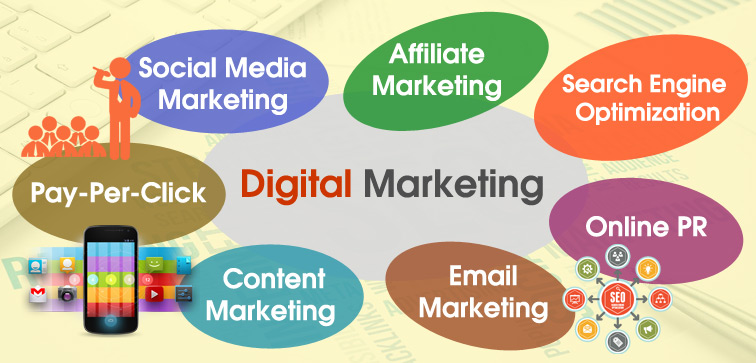
Internet marketing, also known as digital marketing, includes activities such as:
- SEO and content marketing
- Pay-per-click advertising
- Social media marketing
- Email marketing
- Online public relations and partnerships
- Website and conversion optimisation
Each channel has a different role. Paid advertising can provide visibility quickly, while email can help a business maintain relationships with existing customers. SEO can help people discover a website through unpaid search results. A well-planned strategy chooses channels according to the audience, objectives and available resources.
How search engine optimisation works
Search engines use automated systems to discover and organise web pages, then aim to show useful results in response to a search. SEO involves making a website accessible to these systems and helpful to the people who visit it.
Good SEO considers both technical requirements and the quality of the experience a website provides. A page may contain relevant keywords, but it is unlikely to serve visitors well if it is difficult to use, slow to load or fails to answer their questions.
Key areas of SEO
Keyword and audience research
Keyword research helps identify the words and phrases people use when searching for information, products or services. The aim is not simply to add as many keywords as possible. It is to understand what a person wants to achieve with a search and create a page that meets that need.
Search intent may be informational, navigational, commercial or transactional. For example, someone searching for advice may need a detailed guide, while someone ready to buy may be looking for product details, prices and delivery information.
Helpful, well-structured content
Useful content is central to effective SEO. It should be accurate, original, clearly written and relevant to its intended audience. Organise information with descriptive headings, concise paragraphs and links to related pages. Include keywords naturally where they help clarify the subject, rather than forcing them into the text.
Content should also reflect the business’s real expertise. Keep important pages up to date, correct any outdated information and make it clear who is responsible for the content where that is relevant.
On-page optimisation
On-page SEO involves improving individual pages so that their topic and purpose are clear. This can include:
- Writing a distinct, descriptive page title
- Creating a clear main heading and logical subheadings
- Using concise, accurate page descriptions where appropriate
- Adding descriptive text for meaningful images
- Linking to relevant pages on the same website
- Making page addresses readable and relevant
Technical SEO
Technical SEO helps search engines access, crawl and understand a website. It may involve improving site speed, ensuring pages work well on mobile devices, fixing broken links, using secure connections and managing duplicate or missing pages.
A clear site structure helps visitors and search engines find important information. For larger websites, an XML sitemap and appropriate indexing settings can also help search engines discover the pages that should appear in search results.
Authority and reputation
Search engines may use signals from across the web to assess how credible and relevant a website appears. Earning links from reputable, relevant websites can contribute to a site’s visibility, but links should be gained naturally through useful resources, good service, partnerships and genuine coverage.
Avoid schemes that promise large numbers of links or guaranteed rankings. Manipulative tactics can damage a website’s reputation and may lead to search visibility problems.
Local SEO
For businesses serving a particular area, local SEO can help people find nearby services. Keep business name, address and telephone details accurate across relevant listings, maintain a complete business profile on suitable platforms and encourage genuine customer reviews. Local landing pages should provide useful information, not just repeat place names.
How SEO fits into an internet marketing strategy
SEO works best when it supports wider business goals. For example, keyword research can inform content planning, while questions from customer service can inspire useful articles. Social media and email can help distribute content, and paid search can provide additional visibility for selected campaigns.
Coordination matters. Make sure adverts, landing pages and follow-up messages present a consistent offer. Consider the full customer journey, from the first search to an enquiry or purchase, rather than judging a campaign by website visits alone.
Measuring results
SEO results usually take time and can vary by industry, competition and website condition. Track progress using measures that relate to your objectives, such as:
- Organic search impressions and clicks
- Visibility for relevant search queries
- Engagement with important landing pages
- Enquiries, bookings or sales from organic visits
- Technical issues affecting access or indexing
Use analytics and search performance tools to identify trends, not just individual ranking changes. Check that tracking is configured appropriately, and interpret the data in context. A rise in traffic is not necessarily a success if it does not attract the right audience or support meaningful outcomes.
Common SEO mistakes to avoid
- Writing for search engines instead of helping people
- Repeating keywords unnaturally
- Publishing thin or duplicated pages
- Ignoring mobile usability and page performance
- Making large website changes without checking their impact
- Expecting immediate rankings or guaranteed results
Getting started
Begin with a clear understanding of your audience and business objectives. Review your website for technical problems, identify the pages that matter most and research the questions your potential customers are asking. Then prioritise improvements, publish genuinely useful content and monitor the results over time.
Internet marketing is most effective when its channels work together. By combining thoughtful SEO with a clear website, relevant content and consistent measurement, a business can build a stronger online presence and make it easier for the right people to find and choose it.
7 Practical SEO Tips to Boost Your Online Visibility
- Research keywords your audience actually uses.
- Write clear, useful page titles.
- Create helpful, original content.
- Use descriptive headings and URLs.
- Make pages fast and mobile-friendly.
- Earn links from reputable websites.
- Track rankings and update content regularly.
Research keywords your audience actually uses.
Research the words and phrases your audience actually uses when searching online, rather than relying on industry jargon or guesswork. Use keyword research tools, search suggestions and customer questions to discover what people want to know, then consider the intent behind each search. Create helpful content that answers those needs and include relevant terms naturally, without overusing keywords.
Write clear, useful page titles.
Write clear, useful page titles to help people and search engines understand what each page is about. Keep each title specific, concise and relevant to the page content, placing the most important information near the beginning. Avoid vague wording and unnecessary keyword repetition, and give every page a unique title so visitors can easily choose the right result in search listings.
Create helpful, original content.
Create helpful, original content that answers your audience’s questions clearly and accurately. Focus on what readers need to know, and offer useful insights drawn from your genuine experience or expertise. Well-organised content that is easy to read can improve the visitor experience and support search engine optimisation. Use relevant search terms naturally, but prioritise helping people over trying to manipulate rankings.
Use descriptive headings and URLs.
Use descriptive headings and URLs to make your content easier for people and search engines to understand. Clear headings should accurately summarise each section and help readers find the information they need, while short, meaningful URLs should reflect the page’s subject. Avoid vague labels, unnecessary words and strings of numbers, and use relevant terms naturally. This simple approach creates a clearer website structure and makes pages easier to navigate and share.
Make pages fast and mobile-friendly.
Make your pages fast and mobile-friendly to give visitors a better experience and help them find what they need without delay. Use responsive design so content adapts to different screen sizes, keep layouts easy to navigate with a touch screen, and optimise images and other files to reduce loading times. Regularly test your pages on mobile devices and fix issues such as tiny text, intrusive pop-ups or buttons that are difficult to tap. A smooth experience can encourage visitors to stay, engage and take action.
Earn links from reputable websites.
Earning links from reputable, relevant websites can strengthen your online visibility and help people discover your content. Focus on creating genuinely useful resources, sharing expert insights and building relationships with organisations in your field, so that links are given naturally because your pages offer value. Avoid buying links or using schemes that promise quick results, as these can undermine trust and put your search performance at risk.
Track rankings and update content regularly.
Track your search rankings regularly to understand which pages are performing well and where there may be opportunities to improve. Use these insights alongside visitor behaviour and search trends to refresh content, correct outdated information and answer your audience’s questions more effectively. Regular updates can help keep your website useful and relevant, although rankings may fluctuate and improvements are not guaranteed.
Leave a Reply