
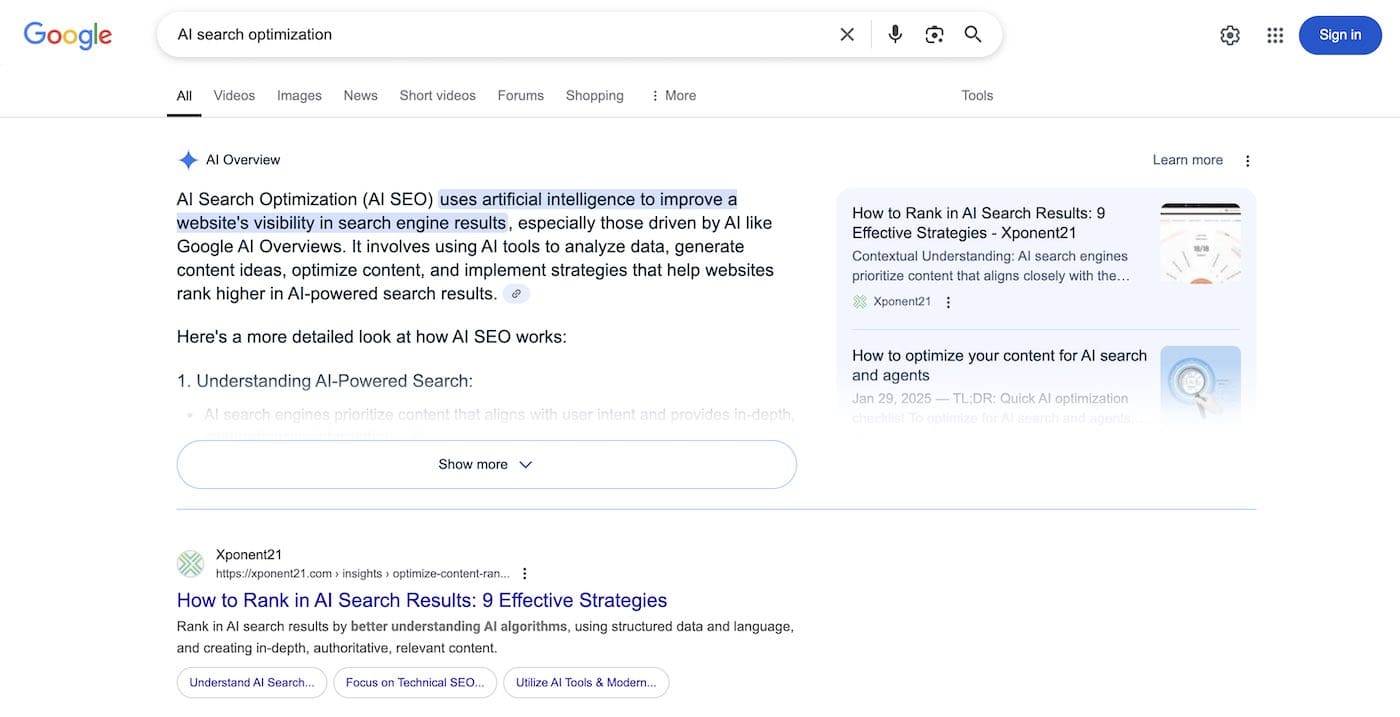
Search Engine Optimisation Example: A Practical Guide
Search engine optimisation (SEO) can sound complicated, but the basics are easier to understand when you see them in practice. This search engine optimisation example follows a local bakery that wants more people to find its website and visit its shop.
The business and its goal
Imagine a bakery in Bristol called Harbour Street Bakery. It sells sourdough bread, pastries and celebration cakes. The bakery has a website, but it receives few visits from people searching online.
Its goal is to attract more relevant visitors by appearing in search results for terms such as bakery in Bristol and sourdough bread Bristol.
Step 1: Choose relevant search terms
Before changing the website, the bakery considers what potential customers might search for. These phrases, often called keywords or search queries, should match the bakery’s products, location and customers’ needs.
- bakery in Bristol
- sourdough bread Bristol
- fresh pastries near Clifton
- custom birthday cakes Bristol
The bakery should use these phrases naturally. Repeating them excessively can make a page difficult to read and does not create a good experience for visitors.
Step 2: Improve a page on the website
The bakery creates a page about its sourdough bread. It gives the page a clear title, a useful heading and original information about its products.
<title>Sourdough Bread in Bristol | Harbour Street Bakery</title>


<h1>Fresh Sourdough Bread in Bristol</h1>


<p>Discover hand-shaped sourdough bread, baked fresh each morning at Harbour Street Bakery in Bristol.</p>
The page also explains the types of sourdough available, when they are baked, where the bakery is located and how customers can order. Helpful photographs can make the page more engaging; descriptive alt text can also help explain those images to people using assistive technology.
Step 3: Make the website easy to use
SEO is not just about words on a page. The bakery checks that its website works well on mobile phones, loads promptly and has clear navigation. Important information, such as opening hours, the address and contact details, should be easy to find.
Each page should have a clear purpose. For example, the sourdough page can link to the bakery’s menu, location and ordering information. These internal links help visitors move around the website and help search engines discover related pages.
Step 4: Support local visibility
Because the bakery serves a local area, it keeps its business details accurate and consistent across its website and relevant online listings. It can also create or update its Google Business Profile, add current opening hours and respond appropriately to customer reviews.
These steps help people find reliable information about the business. They do not guarantee a particular search position, but they can make the bakery’s online presence more useful and complete.
Step 5: Measure what happens
After making improvements, the bakery monitors its results over time. It might look at:
- how many people visit the sourdough page from search results;
- which search queries bring visitors to the website;
- whether visitors view the menu or directions; and
- whether online enquiries or orders increase.
SEO usually takes time, and results can vary depending on the competition, the website and the search terms. Regular measurement helps the bakery understand what is working and what could be improved.
What this SEO example shows
This search engine optimisation example brings together several practical activities: choosing relevant search terms, creating useful content, improving the website experience, supporting local listings and reviewing performance. The aim is not simply to attract more visitors, but to help the right people find information that genuinely meets their needs.
Whether you run a local business, an online shop or a service-based company, the same principle applies: build pages for people first, make them easy to discover, and use performance data to guide future improvements.
Top 6 SEO Tips: Boost Your Website’s Visibility and Performance
- Use clear keywords, such as “vegan café in Bristol”.
- Write unique page titles that describe each page.
- Add helpful alt text to images, such as “blue wool scarf”.
- Make pages mobile-friendly and quick to load.
- Link related pages with descriptive anchor text.
- Earn trustworthy backlinks by publishing useful content.
Use clear keywords, such as “vegan café in Bristol”.
Use clear, specific keywords that reflect what your audience is likely to search for, such as “vegan café in Bristol”. This phrase tells search engines and potential customers exactly what the page offers and where the business is located. Include it naturally in relevant places, such as the page title, main heading and descriptive text, while keeping the content helpful and easy to read.
Write unique page titles that describe each page.
Write a unique, descriptive page title for every page on your website so visitors and search engines can quickly understand what each page is about. For example, a bakery’s sourdough page could use the title “Fresh Sourdough Bread in Bristol | Harbour Street Bakery”, while its celebration cakes page should have a different title that reflects that content. Keep titles clear, relevant and concise, and avoid using the same generic wording across multiple pages.
Add helpful alt text to images, such as “blue wool scarf”.
Add helpful alt text to images so that people using screen readers can understand what they show, and search engines can better interpret the page. Keep the description specific and concise: for example, “blue wool scarf” is more useful than “image” or “photo”. If an image is purely decorative and adds no information, leave its alt text empty so it does not create unnecessary noise for screen-reader users.
Make pages mobile-friendly and quick to load.
Make your pages mobile-friendly and quick to load so visitors can find what they need without pinching, zooming or waiting. Use a responsive design that works across different screen sizes, keep layouts simple and compress large images to reduce loading times. A smooth mobile experience can encourage people to stay and explore, while helping search engines understand that your site is accessible and useful.
Link related pages with descriptive anchor text.
Linking related pages with descriptive anchor text helps both visitors and search engines understand what a linked page is about. For example, instead of using “click here”, a bakery could link to its menu with the words “view our fresh sourdough and pastry menu”. Keep the wording natural, relevant to the destination page and helpful to readers, rather than repeating the same keywords excessively.
Earn trustworthy backlinks by publishing useful content.
Earn trustworthy backlinks by publishing useful content that other websites genuinely want to reference. For example, a business could create an original guide, share useful research or publish practical advice for its audience. When reputable, relevant websites link to that resource, the links can help search engines understand its value and may bring interested visitors to the site. Focus on earning links naturally through quality and usefulness, rather than buying links or using manipulative tactics.
Leave a Reply