
SEO and SEM Marketing: How to Grow Your Business Online
When people need a product, service or answer, they often begin with a search engine. For businesses, appearing in those search results can be an effective way to reach potential customers. Two of the main approaches are search engine optimisation (SEO) and search engine marketing (SEM).
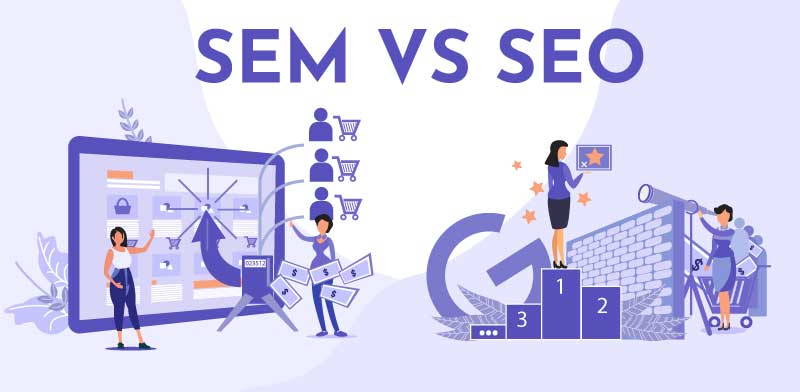
SEO focuses on improving a website’s visibility in unpaid search results. SEM is commonly used to describe paid search advertising, although some people use it more broadly to include both paid and organic search strategies. Used thoughtfully, SEO and paid search can complement one another and help a business attract relevant visitors.
What is SEO?
Search engine optimisation is the process of improving a website so that it is more likely to appear prominently in relevant, unpaid search results. It involves understanding what people are searching for and making a site useful, accessible and easy for search engines to interpret.
SEO is not a single task or a quick fix. It is an ongoing process that can include:
- Keyword research: Finding the words and questions people use when looking for products, services or information.
- Useful content: Creating accurate, original pages that meet the needs behind a search.
- On-page optimisation: Improving page titles, headings, descriptions, internal links and content structure.
- Technical SEO: Helping search engines crawl and understand a website, while ensuring pages work well on mobile devices and load reliably.
- Off-page SEO: Building a strong online reputation through relevant mentions and links from other reputable websites.
- Local SEO: Improving visibility for searches connected to a place, such as “plumber in Bristol” or “café near me”.
What is SEM?
Search engine marketing, or SEM, often refers to paid advertising on search engines. These adverts may appear above or alongside unpaid results when someone searches for selected terms. Advertisers typically set a budget and may be charged when someone clicks on an advert, though campaign costs and bidding methods vary.
Paid search campaigns can be tailored by location, audience, device, search term and other factors. They can also be adjusted as results come in. This makes SEM useful for promoting a specific offer, reaching people with immediate intent or testing demand for a product or service.
Because the term “SEM” is sometimes used to cover both paid and organic search, it is helpful to be clear about what a particular strategy includes. In this article, SEM refers mainly to paid search advertising, while SEO refers to unpaid search visibility.
SEO and SEM: the key differences
| Area | SEO | Paid search (SEM) |
|---|---|---|
| Placement | Unpaid search results | Sponsored search results |
| Cost | Does not usually involve a charge for each click, but requires time and resources | Requires an advertising budget; costs depend on the campaign and auction |
| Timing | Results can take time to build and may fluctuate | Can begin generating visibility soon after a campaign launches |
| Longevity | Well-maintained pages may continue attracting visitors over time | Visibility generally stops when the campaign is paused or the budget runs out |
| Best suited to | Building lasting visibility and answering customers’ questions | Promoting time-sensitive offers, testing ideas and targeting specific searches |
Why combine SEO and SEM?
SEO and paid search serve different purposes, but they can work well together. SEO can build a steady foundation of useful content and organic visibility, while paid campaigns can provide more immediate exposure for priority searches.
For example, a business launching a new service might use paid search to reach potential customers while developing detailed website content for SEO. Search-term and conversion data from advertising can also reveal which queries are most valuable, helping guide future content. Meanwhile, strong organic pages can support paid campaigns by giving visitors a relevant and helpful experience after they click.
How to build a practical search marketing strategy
-
Set clear objectives.
Decide what success means: more enquiries, online sales, bookings, newsletter sign-ups or visits to a local shop.
-
Understand your audience.
Consider what potential customers need, what questions they ask and how they describe the problem they want to solve.
-
Research search terms.
Look for relevant queries, including specific phrases that show a clear need or intention. Choose terms based on relevance rather than search volume alone.
-
Improve key landing pages.
Make sure each page matches the searcher’s needs, explains the offer clearly and provides an obvious next step.
-
Create helpful content.
Publish information that demonstrates knowledge and genuinely assists the reader. Avoid creating pages solely to repeat keywords.
-
Plan paid campaigns carefully.
Group related search terms, write clear adverts, set sensible budgets and send visitors to the most relevant pages.
-
Measure and refine.
Review performance regularly, test improvements and focus on outcomes that matter to the business.
Measuring SEO and SEM performance
Search rankings and website visits can be useful indicators, but they do not tell the whole story. Measures should connect to business goals. Depending on the campaign, useful metrics may include:
- Organic and paid visits from relevant searches
- Enquiries, purchases, bookings or other completed actions
- Conversion rate and cost per conversion
- Revenue or return on advertising spend
- Visibility for important search terms
- Engagement with landing pages and content
Use reliable analytics and conversion tracking where possible, while respecting privacy requirements and applicable data protection rules. Allow enough time and gather enough information before making major changes based on short-term fluctuations.
Common mistakes to avoid
- Expecting instant SEO results: Organic visibility usually takes consistent effort and can be affected by competition and search engine changes.
- Choosing keywords without considering intent: A popular search term may bring visitors who are not looking for what the business offers.
- Sending every advert to the homepage: A focused landing page is often more relevant to the search and the advert.
- Ignoring mobile users: Pages should be clear and usable on smaller screens as well as desktop devices.
- Focusing on clicks alone: Traffic is valuable when it supports meaningful outcomes, not simply because the numbers are higher.
- Using misleading or low-quality content: Helpful, trustworthy information is more sustainable than tactics designed to manipulate rankings.
Conclusion
SEO and SEM marketing help businesses connect with people as they search for information, products and services. SEO can build long-term organic visibility, while paid search can provide targeted exposure and faster campaign feedback. The right balance depends on a business’s goals, audience, budget and timescale.
By creating useful content, choosing relevant search terms, improving landing pages and measuring meaningful results, businesses can make search marketing a practical part of their wider digital strategy.
Enhancing Online Success: The Benefits of SEO and SEM Marketing
- Increases online visibility.
- Attracts relevant visitors.
- Supports long-term organic growth.
- Delivers quick, targeted exposure.
- Helps measure marketing performance.
Challenges in SEO and SEM: Delayed Results, Rising Costs, and Intense Keyword Competition
- SEO can take time to deliver results.
- Paid search costs can rise quickly.
- Competition for popular keywords can be intense.
Increases online visibility.
SEO and SEM marketing can increase your online visibility by helping your business appear when people search for relevant products, services or information. SEO aims to improve your position in unpaid search results over time, while paid search adverts can give your business prominent placement for selected searches. Together, they can help more potential customers discover your website and learn about what you offer.
Attracts relevant visitors.
SEO and SEM marketing can attract relevant visitors by helping your website appear when people search for products, services or information related to your business. With SEO, useful content and well-chosen keywords connect your pages with the right searches. SEM lets you target specific search terms, locations and audiences through paid adverts. As a result, visitors are more likely to be interested in what you offer and take a meaningful next step.
Supports long-term organic growth.
SEO and SEM marketing can support long-term organic growth by helping a business build a stronger presence in search results over time. SEO creates lasting value through useful content, well-optimised pages and a positive website experience, which can continue attracting relevant visitors without paying for every click. Insights from paid search campaigns can also reveal which search terms and messages resonate with customers, helping to guide future content and improve organic performance.
Delivers quick, targeted exposure.
One of the key advantages of SEO and SEM marketing is the ability to deliver quick, targeted exposure. Paid search campaigns can put your business in front of people actively searching for relevant products or services, with targeting options such as location, search terms and audience characteristics helping you reach the right potential customers. While SEO typically takes longer to build visibility, it can support paid campaigns by strengthening your presence in search results over time.
Helps measure marketing performance.
SEO and SEM make it easier to measure marketing performance using clear, trackable data. Businesses can monitor website visits, search visibility, advert clicks, enquiries, sales and conversion rates to see which strategies are working. These insights help identify areas for improvement, make better-informed decisions and focus time and budget on activities that deliver meaningful results.
SEO can take time to deliver results.
One drawback of SEO is that it can take time to deliver results. Improving a website’s search visibility involves ongoing work, such as creating useful content, fixing technical issues and building authority. Even with a well-planned strategy, it may take several months to see meaningful changes, and results can vary depending on competition and search engine updates. This can make SEO less suitable for businesses that need immediate traffic or quick returns.
Paid search costs can rise quickly.
Paid search can generate quick visibility, but costs may rise quickly, particularly when many businesses compete for the same keywords. A high volume of clicks does not necessarily lead to sales or enquiries, so campaigns can use up their budget without delivering a worthwhile return. Setting spending limits, choosing relevant search terms and regularly reviewing conversions can help keep costs under control.
Competition for popular keywords can be intense.
Competition for popular keywords can be intense, making it difficult for businesses to stand out in search results. In SEO, established websites may already have strong authority and high-quality content, so earning a prominent position can take considerable time and effort. In paid search, competition can drive up the cost of clicks, placing popular terms beyond the budget of smaller businesses. Focusing on more specific, relevant search phrases can help, but these may attract fewer searches.
Leave a Reply