
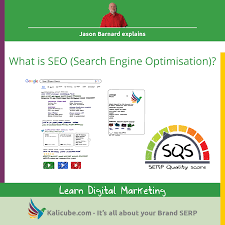
Search Engine Optimisation and Search Engine Marketing: A Practical Guide
When people need information, products or services, search engines are often where they begin. Search engine optimisation (SEO) and search engine marketing (SEM) help businesses become more visible in search results, reach relevant audiences and attract visitors to their websites.
Although the terms are sometimes used interchangeably, SEO and SEM are not always the same thing. Understanding how they differ—and how they can work together—helps businesses choose the right approach for their goals.
What is search engine optimisation?
Search engine optimisation is the practice of improving a website so that it is more likely to appear in relevant organic, or unpaid, search results. SEO involves making useful content easier for both people and search engines to find, understand and navigate.
SEO is an ongoing process rather than a one-off task. Search engines update their systems, competitors publish new content and people’s search habits change over time. A successful approach focuses on providing a helpful experience, not simply trying to manipulate rankings.
The main areas of SEO
Technical SEO
Technical SEO covers the foundations that help search engines access and understand a website. This can include improving page speed, making the site work well on mobile devices, organising the site structure, fixing broken links and ensuring important pages can be crawled and indexed.
On-page SEO
On-page SEO involves improving individual pages. Clear headings, descriptive page titles, helpful content, relevant internal links and concise meta descriptions can help visitors and search engines understand what each page is about. Keywords may be useful for identifying the language people use, but content should remain natural and genuinely useful.
Content and authority
High-quality content answers real questions and gives readers a reason to trust a business. This might include guides, product information, service pages or original research. Links from other relevant and reputable websites can also help establish credibility, but they should be earned through valuable content and genuine relationships rather than artificial schemes.
Local SEO
For businesses serving particular areas, local SEO can help them appear in location-based searches. Keeping business details accurate and consistent, creating useful location information and managing customer reviews can support local visibility.
What is search engine marketing?
Search engine marketing is a term whose meaning can vary. It has traditionally been used as a broad term for marketing through search engines, including both organic SEO and paid search advertising. In everyday business use, however, SEM often refers specifically to paid search campaigns, such as pay-per-click (PPC) advertising.
With paid search, a business creates adverts that may appear when people search for selected terms. Advertisers usually pay when someone clicks an advert, although the precise cost and placement depend on factors such as competition, relevance, bidding and the search platform’s systems.
SEO and paid search: key differences
- How visibility is gained: SEO aims to improve organic visibility, while paid search uses advertising budgets to show adverts.
- Timing: Paid campaigns can begin generating visibility soon after launch. SEO typically takes longer and requires consistent effort.
- Cost: Organic clicks do not carry a direct charge per click, but SEO still requires time, expertise and resources. Paid search involves an advertising budget, as well as the work needed to manage campaigns.
- Longevity: Well-maintained organic content may continue to attract visitors over time. Paid traffic usually reduces or stops when campaigns are paused.
- Control: Paid campaigns offer detailed control over budgets, targeting and ad messages. Organic rankings are influenced by many factors and cannot be guaranteed.
How SEO and SEM can work together
SEO and paid search are most effective when they support a shared marketing strategy. Paid campaigns can help a business test which search terms attract relevant visitors, while SEO can build lasting visibility around valuable topics. Data from both channels can reveal what people are looking for and which pages encourage them to take action.
For example, a business might use paid search to promote a time-sensitive offer while developing useful organic content for longer-term visibility. Both activities should lead to relevant landing pages that clearly explain the offer and make the next step easy.
Building a practical search strategy
- Set clear goals. Decide whether the priority is awareness, enquiries, sales, bookings or another measurable outcome.
- Understand your audience. Consider what potential customers need, the questions they ask and the words they use when searching.
- Review your website. Check that key pages are accessible, mobile-friendly, clear and useful.
- Create helpful content. Focus on meeting people’s needs rather than producing pages solely to include keywords.
- Use paid advertising thoughtfully. Set a realistic budget, choose relevant targeting and monitor the quality of the traffic—not just the number of clicks.
- Measure and improve. Track meaningful results, such as qualified enquiries or completed purchases, and use the findings to refine your approach.
Measuring success
Search performance should be assessed against business objectives. Useful measures can include organic visibility, visits to important pages, paid advert costs, conversion rates and the number or quality of enquiries. Rankings and traffic can provide context, but they do not always show whether a campaign is delivering real value.
It is also important to allow enough time to assess results. Paid campaigns can be adjusted quickly, whereas SEO usually develops over a longer period. Regular reviews help identify what is working, where visitors encounter difficulties and which opportunities deserve further attention.
Conclusion
SEO and search engine marketing help businesses connect with people who are actively looking for information, products or services. SEO builds organic visibility through useful content and a well-structured website, while paid search can provide targeted visibility through advertising. By understanding the difference and using each approach for the right purpose, businesses can create a balanced search strategy focused on sustainable growth and measurable results.
8 Essential Tips for Mastering SEO and SEM
- Research keywords your audience actually uses.
- Create useful, original content that answers searchers’ questions.
- Write clear page titles and meta descriptions.
- Improve page speed and mobile usability.
- Use descriptive links and organise pages logically.
- Earn quality backlinks from relevant websites.
- Target local searches with an up-to-date business profile.
- Track SEO and paid-ad results, then refine your campaigns.
Research keywords your audience actually uses.
Researching the keywords your audience actually uses helps you create content and search campaigns that match what people are genuinely looking for. Explore the questions they ask, the phrases they use and the search terms that reflect their needs, rather than relying on industry jargon or assumptions. Keyword research can guide your website content and help you target paid search adverts more effectively, connecting your business with relevant people and making your marketing budget work harder.
Create useful, original content that answers searchers’ questions.
Create useful, original content that answers searchers’ questions and gives them a clear reason to visit your website. Start by understanding what your audience wants to know, then provide accurate, well-organised information in plain English. Avoid copying other sources or filling pages with keywords; instead, offer genuine insight and practical value. Helpful content can improve the visitor experience, support your search engine optimisation efforts and give paid search campaigns more relevant landing pages, helping turn clicks into meaningful engagement.
Write clear page titles and meta descriptions.
Write a clear, unique page title and meta description for every important page on your website. The title should accurately summarise the page and include its main topic, while the description should briefly explain what visitors will find and encourage them to click. Keep both concise, natural and relevant—avoid keyword stuffing or promises the page does not deliver. Although meta descriptions do not directly determine search rankings, a helpful description can make your listing more appealing in search results.
Improve page speed and mobile usability.
Improving page speed and mobile usability is essential for effective search engine optimisation and search engine marketing. Pages that load quickly and display clearly on smartphones make it easier for visitors to find information and take action, while reducing the likelihood that they will leave out of frustration. A smooth mobile experience can also support organic search visibility and improve the results of paid campaigns by directing users to relevant, easy-to-use landing pages. Compressing images, reducing unnecessary scripts and testing pages on different devices are practical ways to get started.
Use descriptive links and organise pages logically.
Use descriptive links and organise your pages in a logical structure to help visitors and search engines understand how your website fits together. Write link text that clearly explains what people will find when they click, rather than using vague phrases such as “click here”. Group related pages under clear categories and make important information easy to reach. This improves navigation, supports search engine crawling and creates a more helpful experience for users.
Earn quality backlinks from relevant websites.
Earn quality backlinks from relevant websites to strengthen your SEO and support your visibility in search results. Links from trusted sites in your industry can signal that your content is useful and credible, while also bringing interested visitors to your website. Focus on creating valuable resources that others will want to reference, and build genuine relationships with publishers and organisations. Avoid buying links or using manipulative schemes, as these can damage your site’s reputation and search performance.
Target local searches with an up-to-date business profile.
Target local searches by keeping your business profile accurate and up to date. Make sure your address, phone number, opening hours, website and services are correct, and add recent photos where appropriate. A complete profile helps potential customers find and contact you, while accurate, consistent details can support your visibility in local search results. Encourage genuine customer reviews and respond to them professionally to build trust and give people a clearer idea of what to expect.
Track SEO and paid-ad results, then refine your campaigns.
Track the results of your SEO and paid advertising regularly to understand what is attracting the right visitors and driving valuable actions, such as enquiries or sales. Look beyond rankings and clicks by reviewing measures such as conversion rates, cost per lead and the quality of traffic. Use these insights to refine your campaigns: improve underperforming pages, adjust targeting and budgets, and focus on the keywords and messages that deliver the strongest results.
Leave a Reply