
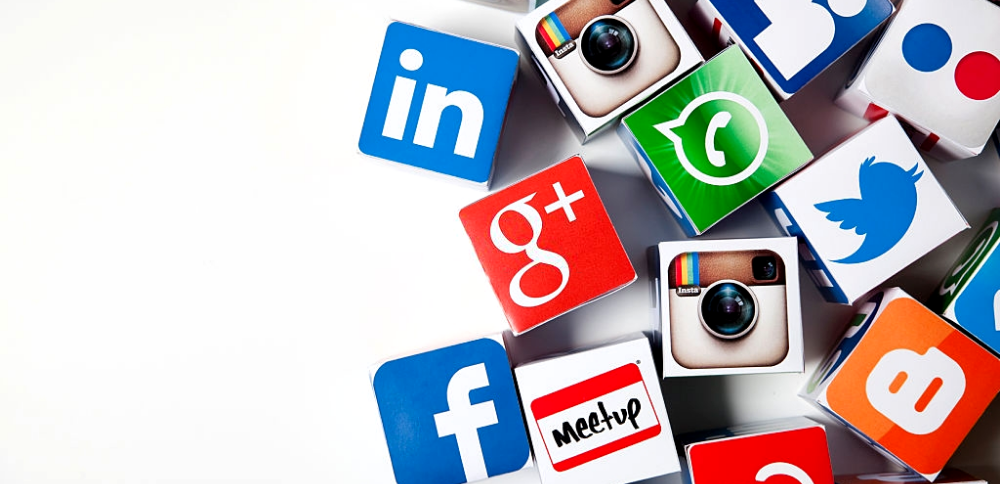
Media Marketing: A Practical Guide for Modern Businesses
Media marketing is the use of different communication channels to promote a brand, product or service. These channels can include social media, websites, search engines, email, television, radio and print. A well-planned media marketing strategy helps businesses reach the right people, share useful messages and build lasting relationships with customers.
What is media marketing?
Media marketing brings together the platforms and content a business uses to communicate with its audience. It may involve publishing an article on a company website, sharing a video on social media, sending an email newsletter or placing an advertisement in a magazine.
The most effective approach is not simply to appear on as many platforms as possible. It is to choose channels that suit the audience, the message and the business’s goals.
Key types of media marketing
Social media marketing
Social media platforms allow businesses to publish content, take part in conversations and build communities around their brands. Posts, short videos, live streams and paid advertisements can all play a part. The best results usually come from sharing content that is relevant to the audience rather than posting solely to promote a product.
Content marketing
Content marketing focuses on creating useful or entertaining material, such as articles, guides, videos, podcasts and infographics. Good content can answer customers’ questions, demonstrate expertise and support other marketing activity. It can also help a website attract visitors through search engines.
Search engine marketing
Search engine marketing helps businesses become more visible when people look for relevant information, products or services online. It may include search engine optimisation (SEO), which aims to improve unpaid search visibility, and paid search advertising, which places sponsored listings in search results.
Email marketing
Email remains a direct way to communicate with people who have chosen to hear from a business. Newsletters, product updates and tailored offers can help maintain customer relationships. Messages should be useful, appropriately targeted and compliant with relevant privacy and marketing rules.
Traditional media
Television, radio, newspapers, magazines, outdoor advertising and direct mail can still be valuable, depending on the audience and campaign. These channels may be particularly effective when a business wants to build broad awareness or reach people in a specific location.
Why media marketing matters
Media marketing can help a business:
- Increase awareness of its brand, products or services.
- Reach audiences through the channels they already use.
- Share expertise and build trust over time.
- Generate enquiries, website visits and sales.
- Stay in touch with existing customers.
- Measure campaign performance and improve future activity.
How to create a media marketing strategy
Set clear objectives
Begin by deciding what the marketing activity should achieve. Objectives might include increasing brand awareness, generating qualified leads, encouraging online purchases or improving customer retention. Clear objectives make it easier to choose suitable channels and assess results.
Understand your audience
Consider who you want to reach, what they need and how they prefer to receive information. Customer research, feedback and website analytics can help build a clearer picture. Avoid relying on assumptions when evidence is available.
Choose the right channels
Select channels based on your audience, budget, resources and objectives. A small business may achieve more by focusing on a few relevant platforms than by trying to maintain a presence everywhere. Each channel should have a clear purpose.
Plan useful, consistent content
Create a content plan that reflects your brand and addresses the interests of your audience. A consistent tone and publishing schedule can make your communications easier to recognise. However, quality and relevance are more important than posting frequently without a clear reason.
Set a realistic budget
Account for costs such as advertising, content production, software, design and staff time. Test campaigns on a manageable scale before increasing investment. This can reveal which messages and channels are most effective.
Measure and improve
Track performance against your original objectives. Depending on the campaign, useful measures may include reach, engagement, website visits, enquiries, sales or the cost of acquiring a customer. Use these results to refine your approach rather than relying on a single metric.
Common media marketing mistakes
Businesses can lose time and budget when they publish without a plan, choose channels that do not suit their audience or focus on follower numbers alone. Other common problems include using inconsistent branding, overlooking customer feedback and failing to measure results.
It is also important to make sure that marketing claims are accurate and that campaigns follow the relevant advertising, privacy and data protection requirements. These considerations help protect both customers and the reputation of the business.
Bringing media channels together
Media marketing is often most effective when channels support one another. For example, a helpful article on a website could be shared through social media, included in an email newsletter and used as the basis for a short video. A consistent message across these touchpoints can make the customer experience clearer and more memorable.
Conclusion
Media marketing gives businesses many ways to connect with audiences, but success depends on making thoughtful choices. By setting clear objectives, understanding customers, selecting suitable channels and learning from performance data, businesses can create marketing that is relevant, measurable and sustainable.
Top 9 Advantages of Media Marketing: Boosting Brand Awareness, Engagement, and More
- Builds brand awareness
- Reaches target audiences
- Encourages customer engagement
- Drives website traffic
- Supports lead generation
- Offers measurable results
- Enables precise targeting
- Strengthens customer relationships
- Can suit different budgets
Challenges of Media Marketing: Costs, Competition, Delayed Results, Rapid Negative Feedback, and Measurement Difficulties
- Can be costly to maintain.
- Competition for attention is high.
- Results may take time to appear.
- Negative feedback can spread quickly.
- Measuring impact across channels can be difficult.
Builds brand awareness
Media marketing helps build brand awareness by introducing your business to a wider audience across channels such as social media, websites, search engines and email. Regularly sharing clear, engaging and consistent messages makes your brand easier to recognise and remember. Over time, this visibility can help people understand what your business offers and make it more likely they will consider it when they need a relevant product or service.
Reaches target audiences
One of the key benefits of media marketing is its ability to reach target audiences. Businesses can choose channels and tailor messages to suit the interests, needs and habits of specific groups, helping their marketing reach people who are more likely to engage. This focused approach can make campaigns more relevant, use budgets more effectively and increase the chances of attracting potential customers.
Encourages customer engagement
Media marketing encourages customer engagement by giving people opportunities to interact with a brand through comments, messages, polls, reviews and shared content. These conversations help businesses understand what customers value, respond to questions and build stronger relationships. When people feel heard and involved, they are more likely to trust the brand and remain connected to it.
Drives website traffic
Media marketing can drive more visitors to your website by sharing useful, engaging content across channels such as social media, email and online advertising. By including clear links and calls to action, businesses can guide interested audiences to relevant pages, where they can learn more, explore products or services, and take the next step.
Supports lead generation
Media marketing supports lead generation by helping businesses reach potential customers with relevant content, offers and calls to action. Social media posts, online adverts, email campaigns and useful website content can encourage people to make an enquiry, sign up for updates or request more information. By directing interested audiences to a clear next step, businesses can attract and nurture leads more effectively.
Offers measurable results
One of the key advantages of media marketing is that it offers measurable results. Businesses can track metrics such as audience reach, engagement, website visits, enquiries and sales to see how well a campaign is performing. This data helps identify which channels and messages are most effective, so marketing budgets can be used more wisely and future campaigns improved.
Enables precise targeting
One of the key advantages of media marketing is its ability to target specific audiences with precision. Businesses can tailor their messages using factors such as location, age, interests, online behaviour and previous interactions with a brand. This helps ensure that content reaches people who are more likely to find it relevant, making campaigns more efficient and reducing wasted advertising spend.
Strengthens customer relationships
Media marketing can strengthen customer relationships by giving businesses regular, meaningful ways to communicate with their audience. Through social media conversations, helpful content and personalised email updates, businesses can listen to customers, respond to their needs and share information that is genuinely useful. This consistent, two-way engagement helps build trust and encourages customers to feel more connected to the brand.
Can suit different budgets
One of the key advantages of media marketing is that it can suit different budgets. Businesses can start with low-cost options, such as posting on social media, sending an email newsletter or creating useful website content, and invest in paid advertising as their budget grows. By choosing channels and campaigns carefully, organisations of all sizes can promote their products or services without spending more than they can afford.
Can be costly to maintain.
One drawback of media marketing is that it can be costly to maintain. Creating high-quality content, paying for advertising, managing multiple platforms and analysing campaign performance all require time, skills and resources. Costs can quickly add up, particularly for smaller businesses, so it is important to set a realistic budget and focus on the channels most likely to reach the intended audience.
Competition for attention is high.
Competition for attention is high in media marketing, as audiences encounter a constant stream of posts, adverts, videos and messages across different platforms. This makes it harder for a brand’s content to stand out and be noticed. Businesses need to understand their audience, offer something relevant and distinctive, and communicate clearly to earn attention without overwhelming potential customers.
Results may take time to appear.
One drawback of media marketing is that results may take time to appear. Building an engaged audience, earning trust and improving visibility—particularly through content marketing and SEO—often requires consistent effort over several months. Businesses may need to publish regularly, test different approaches and refine their strategy before seeing a noticeable increase in traffic, enquiries or sales. This means media marketing may not be the best choice for organisations seeking immediate results, and it is important to set realistic expectations and track progress along the way.
Negative feedback can spread quickly.
One disadvantage of media marketing is that negative feedback can spread quickly across social media and other online platforms. A customer complaint may be shared widely before a business has the chance to respond, potentially affecting its reputation and discouraging prospective customers. Businesses can reduce the impact by monitoring their channels, responding promptly and professionally, and addressing genuine concerns openly.
Measuring impact across channels can be difficult.
Measuring the impact of media marketing across different channels can be difficult because each platform reports performance in its own way. A customer might see a social media post, read an email and later visit a website before making a purchase, making it hard to identify which channel had the greatest influence. Incomplete tracking, different attribution models and limited data can add to the challenge, so businesses may struggle to compare results or decide where to invest their marketing budget.
Leave a Reply