
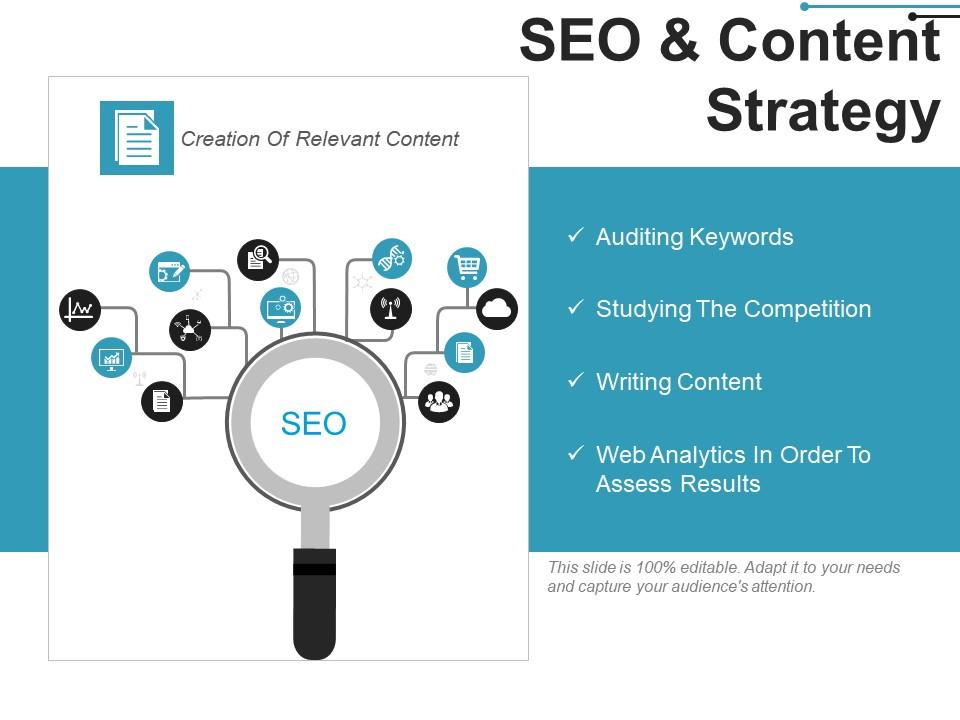
SEO and Content Strategy: How to Build a Plan That Delivers
Search engine optimisation (SEO) and content strategy work best when they are planned together. SEO helps people find your website, while useful, well-organised content gives them a reason to visit, engage and return. A joined-up approach can strengthen your visibility in search and support your wider business goals.
What is an SEO content strategy?
An SEO content strategy is a plan for creating and improving website content so that it serves your audience and can be discovered through search engines. It brings together audience research, keyword analysis, content planning, on-page optimisation and performance measurement.
The aim is not simply to attract more visitors. It is to reach people who are looking for information, products or services relevant to your organisation, then provide a helpful experience that moves them towards the next step.
Start with your audience
Effective content begins with a clear understanding of the people you want to reach. Consider their needs, questions, challenges and level of knowledge. Your existing customers, sales team, customer support records and website analytics can all reveal useful insights.
Think about the different stages of a customer’s journey. Someone who is researching a problem may need an introductory guide, while someone comparing solutions may be looking for a detailed comparison or case study. Matching content to these needs makes your website more useful and relevant.
Research search intent, not just keywords
Keyword research helps you understand the words and phrases people use when searching. However, the wording alone does not tell the whole story. Search intent is the purpose behind a search: the user may want to learn something, find a particular website, compare options or make a purchase.
Review the search results for your important topics to see what formats and questions are already being addressed. This can help you decide whether a guide, service page, product page, comparison or frequently asked questions section is the most suitable format.
Use relevant terms naturally in page titles, headings and body copy. Avoid forcing keywords into every paragraph. Clear, helpful writing is more valuable than awkward repetition.
Plan content around topics
Rather than publishing disconnected articles, organise your content around the main subjects your audience cares about. A detailed central page can introduce a broad topic, with supporting articles exploring specific questions in greater depth.
For example, a website focused on gardening might have a main guide to growing vegetables, supported by articles on choosing seeds, preparing soil and managing common pests. Links between these pages help readers explore related information and help search engines understand how the content fits together.
A content plan can record each proposed page’s target audience, purpose, search intent, key points, format, owner and publication date. This makes it easier to spot gaps and avoid creating several pages that compete for the same search.
Create content that deserves attention
Strong SEO content is accurate, original and genuinely useful. It should answer the reader’s question clearly, provide enough detail to be valuable and make the next step easy to find.
- Use a clear structure, with descriptive headings and short paragraphs.
- Explain specialist terms where necessary.
- Include examples, evidence or practical steps where they add value.
- Use images, diagrams or other media when they help explain the subject.
- Make it clear who created or reviewed the content, particularly for specialist topics.
- Check facts, links and spelling before publication.
Content should be written for people first. Search optimisation can help clarify a page’s subject, but it should not come at the expense of readability or accuracy.
Optimise the whole page
On-page SEO helps search engines and readers understand what a page offers. Give each page a unique, descriptive title and a concise meta description that accurately summarises its content. Use a logical heading structure, descriptive image alt text and relevant internal links.
Technical factors matter too. Pages should load reliably, work well on mobile devices and be accessible to visitors using different devices or assistive technologies. A well-written article can still struggle if it is difficult to find or use.
Measure performance and improve
Publishing is not the end of the process. Monitor performance and use what you learn to improve your content. Useful measures may include organic search visits, impressions, click-through rate, relevant rankings, engagement and conversions. Choose metrics that reflect the purpose of each page rather than relying on traffic alone.
If a page receives impressions but few clicks, its title and description may need attention. If visitors arrive but do not take the intended next step, review whether the page meets their needs and whether the call to action is clear. Older content may also benefit from updated facts, examples and links.
Common mistakes to avoid
- Publishing content without a clear audience or purpose.
- Choosing topics based only on search volume.
- Repeating keywords unnaturally.
- Creating several pages that cover the same subject without a clear distinction.
- Neglecting internal links and technical usability.
- Leaving useful content outdated or failing to measure its results.
Conclusion
A successful SEO and content strategy connects what people are searching for with content that genuinely helps them. Start with your audience, understand search intent, organise your topics, publish useful material and refine it using performance data. By treating SEO as part of an ongoing content process, you can build a website that is easier to discover and more valuable to its readers.
15 Common Questions on Integrating SEO and Content Strategy
- What are the 4 pillars of SEO?
- What is the difference between content strategy and SEO strategy?
- What is an SEO strategy?
- Does content strategy include SEO?
- What are the top 5 SEO strategies?
- Does content strategy help SEO?
- How do you plan a SEO content strategy?
- How do content and SEO work together?
- How do you integrate SEO and content?
- What are the 3 important components in SEO strategy?
- How do you write a content with SEO strategy?
- How do I create a content strategy for SEO?
- Why is SEO important for content strategy?
- What are the 4 types of content strategy?
- How do you integrate SEO with your content?
What are the 4 pillars of SEO?
The four pillars of SEO are technical SEO, on-page SEO, content and off-page SEO. Technical SEO ensures that search engines can crawl, understand and index your website, while on-page SEO optimises elements such as page titles, headings, internal links and user experience. Content provides useful, relevant information that meets your audience’s needs and search intent. Off-page SEO focuses on building your website’s reputation through trusted backlinks, mentions and other signals beyond your site. These pillars work together to improve visibility and attract the right visitors from search.
What is the difference between content strategy and SEO strategy?
A content strategy is the broader plan for creating, organising and managing content to meet your audience’s needs and support your business goals. An SEO strategy focuses specifically on improving your website’s visibility in search engines through activities such as keyword research, technical optimisation and link building. The two work best together: SEO helps identify what people are searching for, while content strategy ensures you create useful, relevant material that answers those needs.
What is an SEO strategy?
An SEO strategy is a planned approach to improving a website’s visibility in search engine results and attracting relevant visitors. It typically includes researching your audience and the search terms they use, creating and optimising useful content, improving the site’s technical performance and building clear internal links. A good strategy is guided by measurable goals and reviewed regularly, so it can adapt to changes in audience needs, website performance and search behaviour.
Does content strategy include SEO?
Yes, SEO is an important part of a content strategy. It helps you understand what your audience is searching for and shape content around their needs and search intent. A strong strategy also considers how content is organised, optimised and linked, as well as how its performance will be measured. SEO should guide content planning without compromising accuracy, usefulness or a natural reading experience.
What are the top 5 SEO strategies?
The top five SEO strategies are to create high-quality content that meets your audience’s needs; research relevant keywords and match each page to search intent; improve on-page elements such as titles, headings, URLs and internal links; ensure your website is technically sound, mobile-friendly and fast; and earn reputable backlinks by publishing useful, trustworthy material. Monitor performance regularly and update your approach based on what the data shows, as SEO is an ongoing process rather than a one-off task.
Does content strategy help SEO?
Yes, a well-planned content strategy can help SEO by ensuring your website consistently publishes useful, relevant content that meets your audience’s needs and search intent. It helps you choose the right topics, organise pages clearly, target appropriate search terms and build internal links between related content. Over time, this can improve your visibility in search results and attract more relevant visitors. Results are not guaranteed, though: content should be accurate, original, easy to use and regularly reviewed, alongside good technical SEO.
How do you plan a SEO content strategy?
To plan an SEO content strategy, start by identifying your audience, their needs and the questions they search for online. Research relevant keywords and, just as importantly, the intent behind each search, then group related topics into a clear content plan. Decide which pages or formats will best meet those needs, set goals for each piece, and create helpful, accurate content with descriptive headings, natural keyword use and relevant internal links. Finally, review performance regularly and update your plan based on what is attracting the right visitors and supporting your business goals.
How do content and SEO work together?
Content and SEO work together by making your website both useful to readers and easy for search engines to understand. SEO research helps identify the topics and questions your audience is searching for, while well-written content answers those needs with clear, relevant information. Optimising headings, page titles, internal links and other on-page elements can help search engines discover and interpret your content, while regular updates keep it accurate and valuable. The result is a better experience for visitors and a stronger chance of reaching the right audience through organic search.
How do you integrate SEO and content?
SEO and content work best when planned together from the start. Begin by researching your audience, the questions they ask and the search intent behind relevant keywords. Use these insights to shape useful, original content, then optimise each page with a clear title, descriptive headings, natural keyword use, internal links and a helpful meta description. After publication, track performance and update content as audience needs and search results change. The goal is to make content easy to find while ensuring it genuinely helps the people who read it.
What are the 3 important components in SEO strategy?
The three important components of an SEO strategy are technical SEO, on-page SEO and off-page SEO. Technical SEO helps search engines crawl and index your website, covering factors such as site speed, mobile usability and secure connections. On-page SEO focuses on the content and structure of individual pages, including relevant topics, clear headings, useful internal links and well-written page titles. Off-page SEO builds your site’s reputation through signals from elsewhere online, particularly relevant, trustworthy links. Together, these components help make a website accessible, relevant to searchers and credible.
How do you write a content with SEO strategy?
To write content with an SEO strategy, start by identifying your audience and the question or need the page should address. Research relevant keywords and search intent, then create clear, useful content that answers the reader’s question more effectively than a simple list of keywords would. Organise it with a descriptive title, logical headings and concise paragraphs, and include relevant terms naturally. Add helpful internal and trusted external links, optimise images and page details where appropriate, and finish with a clear next step for the reader. After publishing, review how the content performs and update it as needed.
How do I create a content strategy for SEO?
To create a content strategy for SEO, start by identifying your audience, their needs and the questions they search for online. Research relevant keywords and search intent, then group related topics and prioritise them according to your goals and expertise. Plan useful, original content for each topic, using clear headings, natural keyword placement and links to relevant pages on your website. Once published, track performance using measures such as organic traffic, search impressions and conversions, and regularly update your content based on what you learn.
Why is SEO important for content strategy?
SEO is important for content strategy because it helps people discover your content when they search for relevant information, products or services. By understanding search intent and using relevant keywords naturally, you can create content that answers your audience’s questions and attracts more qualified visitors. SEO also encourages clear structure, useful internal links and regular performance reviews, helping your content remain accessible, relevant and effective over time.
What are the 4 types of content strategy?
The four common types of content strategy are **attraction, authority, affinity and action**. Attraction content is designed to reach new audiences and draw them to your website, often through helpful articles, videos or social posts. Authority content demonstrates your expertise and builds trust, for example through in-depth guides, research or case studies. Affinity content strengthens relationships and encourages people to engage with your brand over time, while action content supports a specific next step, such as making an enquiry, signing up or purchasing. These categories can overlap, and a balanced SEO and content strategy uses them together to serve readers at different stages of their journey.
How do you integrate SEO with your content?
We integrate SEO into content by starting with the audience: what they need, what they search for and the intent behind those searches. We then use keyword and topic research to shape useful, original content, organising it with clear headings and a logical structure. Relevant search terms are included naturally, alongside descriptive page titles, meta descriptions and internal links. After publication, we review performance and update the content to keep it accurate, helpful and aligned with both audience needs and search behaviour.
Leave a Reply