
Internet Marketing and SEO: A Practical Guide to Growing Online
Internet marketing helps businesses reach, engage and convert customers online. It includes a range of activities, from content creation and social media to email campaigns and paid advertising. Search engine optimisation (SEO) is one important part of this wider approach: it helps make a website easier to find when people search for relevant products, services or information.
What is internet marketing?
Internet marketing, also known as digital marketing, is the promotion of a business through online channels. These may include search engines, websites, social media platforms, email and online advertising. A well-planned strategy brings these channels together to support clear business goals, such as increasing brand awareness, attracting enquiries or generating sales.
Different channels suit different audiences and objectives. For example, social media can help a business build a community, while email can keep existing customers informed. Search marketing can connect a business with people who are already looking for a particular product, service or answer.
What is SEO?
SEO is the process of improving a website so that search engines can understand its content and people can find it through unpaid search results. It involves more than adding keywords to a page. Strong SEO considers the usefulness of the content, the structure and performance of the website, and the credibility of the information it provides.
Search engines aim to show people helpful, relevant results. Although their systems change over time, creating a useful experience for visitors is a sound foundation for long-term SEO.
Key areas of SEO
Keyword and audience research
Research helps you understand the words and questions people use when looking for what your business offers. Focus on the searcher’s needs, rather than choosing keywords only because they have a high search volume. A person seeking general advice may need a different page from someone ready to compare providers or make a purchase.
Helpful, well-organised content
Create pages that answer real questions and provide clear, accurate information. Use descriptive headings, concise paragraphs and examples where they help explain a topic. Avoid repeating keywords unnaturally or publishing pages that offer little value.
On-page optimisation
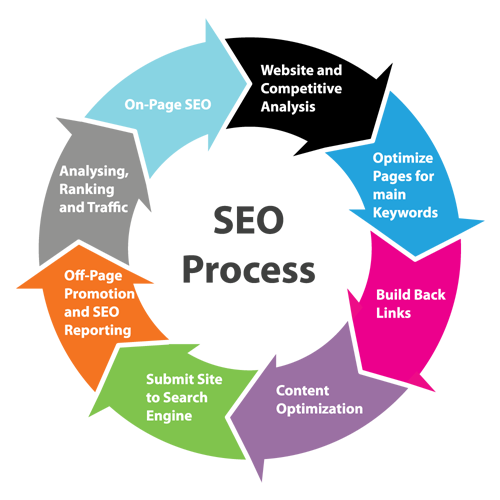
On-page SEO includes the elements visitors and search engines encounter on a page. Write a clear page title and meta description, use headings in a logical order, add descriptive links and make images accessible with appropriate alternative text. Each page should have a clear purpose and be easy to navigate.
Technical SEO
Technical SEO helps search engines access and understand your website. It can include improving page speed, making the site work well on mobile devices, using secure connections, fixing broken links and ensuring important pages can be crawled and indexed. A technically sound website also makes it easier for visitors to use.
Authority and trust
Useful, original content and a positive reputation can help establish trust. Links from relevant, reputable websites may also support your visibility, but they should be earned through worthwhile content and genuine relationships. Avoid schemes that promise large numbers of links quickly, as these can put your website at risk.
How SEO fits into internet marketing
SEO works best as part of a broader internet marketing plan. Content created for search can also be shared through social media or included in an email newsletter. Questions from customers can inspire new articles, while insights from analytics can help you understand which topics and channels are attracting useful visitors.
SEO is generally a long-term investment. It can take time for improvements to be reflected in search results, and rankings are never guaranteed. Paid advertising may provide faster visibility, while SEO can help build a lasting source of relevant traffic. Many businesses use both, alongside other channels, according to their goals and resources.
Measuring progress
Measure SEO against meaningful business outcomes, not rankings alone. Useful indicators may include:
- Organic visits to important pages
- Enquiries, bookings or sales from search traffic
- Engagement with key content
- Search visibility for relevant topics
- Website speed and usability on mobile devices
Review performance regularly and look for patterns. If a page attracts visitors but few enquiries, consider whether its content, offer or next steps are clear. If an important page is difficult to find, review its links, structure and relevance to the audience.
Building a sustainable strategy
A strong internet marketing and SEO strategy starts with a clear understanding of your audience and business objectives. Research relevant topics, create genuinely useful pages, maintain a reliable website and make it easy for visitors to take the next step. Then use performance data to refine your approach.
There are no guaranteed shortcuts to lasting search visibility. Consistent, thoughtful work can help your business become easier to find, strengthen trust with potential customers and make the most of its online presence.
Understanding SEO: Key FAQs for Effective Internet Marketing in the UK
- What is SEO, and how does it fit into internet marketing?
- How long does SEO take to show results?
- How much does SEO cost in the UK?
- What is the difference between SEO and paid search advertising?
- How can I choose the right keywords for my website?
- Can I do SEO myself, or should I hire an SEO agency?
- How can I measure whether my SEO is working?
What is SEO, and how does it fit into internet marketing?
SEO, or search engine optimisation, is the practice of improving a website so it is easier for search engines to understand and more likely to appear in relevant unpaid search results. It is an important part of internet marketing, working alongside channels such as social media, email and online advertising to help businesses reach potential customers. By creating useful content, improving website performance and making pages easier to navigate, SEO can attract relevant visitors and support long-term online growth.
How long does SEO take to show results?
SEO usually takes several months to show meaningful results, although the timescale varies depending on your website’s starting point, competition, industry and the work involved. Some changes, such as fixing technical issues, may have an effect sooner, while building authority and improving rankings for competitive searches can take longer. SEO is an ongoing process, so track relevant measures—such as organic traffic, enquiries and sales—and review progress regularly rather than expecting instant results.
How much does SEO cost in the UK?
The cost of SEO in the UK depends on your website, industry, competition and the work required. As a rough guide, a freelancer or small local SEO package may cost a few hundred pounds per month, while ongoing agency support can range from around £500 to several thousand pounds monthly. One-off services, such as an SEO audit, are usually priced separately. Ask providers what their fee includes, how they will measure progress and whether VAT or additional costs apply; be wary of guaranteed rankings or unusually cheap promises.
What is the difference between SEO and paid search advertising?
SEO (search engine optimisation) aims to improve a website’s visibility in unpaid search results by making its content, structure and user experience more useful and accessible. Paid search advertising places sponsored listings in search results, usually with advertisers paying when someone clicks an advert. SEO can take time to build but may attract ongoing organic traffic, while paid search can deliver visibility more quickly but generally stops when the advertising budget runs out. Many businesses use both to support their internet marketing goals.
How can I choose the right keywords for my website?
To choose the right keywords for your website, start by thinking about what your audience is looking for and the words they’re likely to use. Research relevant search terms, including specific phrases that show clear intent, and consider how closely each one relates to your products, services or content. Look at search volume and competition, but prioritise relevance and the value a term could bring to your business. Then use your chosen keywords naturally in useful, well-structured content, page titles and headings, and review your website’s performance regularly so you can refine your choices over time.
Can I do SEO myself, or should I hire an SEO agency?
You can do SEO yourself if you have the time to learn the basics, improve your website and monitor results. This can work well for smaller sites or businesses with straightforward needs, although progress may take time. An SEO agency may be helpful if your website is complex, competition is strong or you need specialist support. Before hiring one, check its experience, ask how it measures success and make sure it explains its recommendations clearly; no reputable agency can guarantee specific rankings.
How can I measure whether my SEO is working?
You can measure whether your SEO is working by tracking changes in organic traffic, visibility for relevant search terms and, most importantly, valuable actions such as enquiries, bookings or sales. Tools such as Google Search Console and website analytics can show how people find and use your site, which pages perform well and where there may be room to improve. Review these results regularly and compare them with a suitable baseline, allowing time for changes to take effect; rankings alone do not show whether SEO is contributing to your business goals.
Leave a Reply